

Montreal Protocol Signed: The World Agrees to Save the Ozone Layer
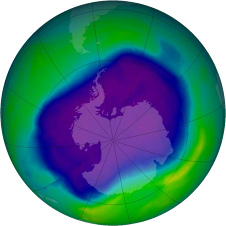
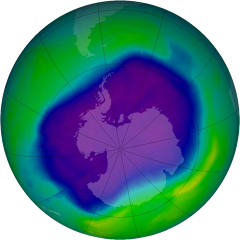
World leaders signed the Montreal Protocol to phase out ozone-depleting substances, triggering a concrete recovery of the Antarctic ozone hole that scientists project will return to 1980 levels by mid-century. This unprecedented global cooperation stands as the most successful international agreement in history, uniting 197 parties in a universal ratification that other environmental treaties have yet to match.
September 16, 1987
39 years ago
Key Figures & Places
What Else Happened on September 16
Severus II had been handed the western Roman Empire by Galerius, but Maxentius — the son of the retired emperor Diocletian — refused to recognize him and raised…
The Sixth Ecumenical Council condemned Pope Honorius I for heresy, formally excommunicating him decades after his death. This rare rebuke shattered the doctrine…
Friedrich I. Barbarossa entzieht seinem Vetter Heinrich dem Löwen die Herrschaft über die Reichslehen Bayern und Sachsen. Mit dem – territorial beschnittenen – …
en Italia, Francisco de Asís declara haber recibido los estigmas o heridas de la pasión de Jesucristo.
el obispo Berenguel de Landoria ordena el asesinato de once representantes de la burguesía de Santiago de Compostela que habían ido a negociar con él en el Cast…
ascenso al trono del rey de Francia Carlos VI.
Talk to History
Have a conversation with historical figures who witnessed this era. Ask questions, explore perspectives, and bring history to life.