

16th Street Baptist Church Bombed: Four Girls Killed in Birmingham
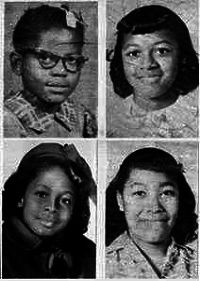
White supremacists detonated a bomb at the 16th Street Baptist Church, killing four young girls and shattering the illusion of safety for Black communities across the South. This atrocity galvanized public outrage and directly pressured Congress to pass the Civil Rights Act of 1964 just months later.
September 15, 1963
63 years ago
Key Figures & Places




What Else Happened on September 15
The Nuremberg Laws weren't written in secret — they were announced at a Nazi Party rally, to cheering crowds, as a kind of legislative spectacle. Two laws. One …
An assassin struck Eastern Roman Emperor Constans II while he bathed in Syracuse, ending his life with a blow from a soap dish. His death triggered a chaotic po…
primera mención del término «Castilla» en un documento apócrifo del hoy desaparecido monasterio de San Emeterio de Taranco de Mena.
She'd raised her grandson to be a Christian duke and was grandmother to the future king Václav — later Saint Wenceslas. But her daughter-in-law Drahomíra saw Lu…
Fatimid forces crushed a Byzantine army near the Orontes River, halting the empire’s expansion into northern Syria. This defeat forced the Byzantines to abandon…
primer día del fin del mundo ―producido por catástrofes como un eclipse de tres días de duración (?), vientos, tormentas, sequías, hambrunas, pestes, terremotos…
Talk to History
Have a conversation with historical figures who witnessed this era. Ask questions, explore perspectives, and bring history to life.