McKinley Dies, Roosevelt Rises: Progressive Era Begins
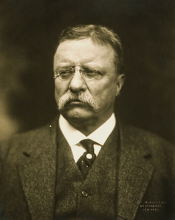
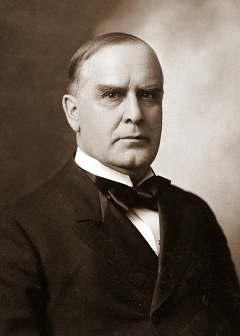
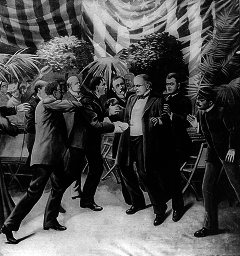
Theodore Roosevelt was hiking in the Adirondack Mountains when a ranger arrived with an urgent telegram on September 13, 1901. President William McKinley, shot eight days earlier by an anarchist at the Pan-American Exposition in Buffalo, had taken a fatal turn. Roosevelt raced down the mountain through the night by buckboard wagon, but McKinley died at 2:15 a.m. on September 14 before he arrived. At forty-two, Roosevelt became the youngest president in American history, and the country lurched into a new political era. McKinley had been greeting the public at the Temple of Music in Buffalo on September 6 when Leon Czolgosz, a twenty-eight-year-old unemployed factory worker who had fallen under the spell of anarchist ideology, approached in the receiving line with a revolver concealed beneath a handkerchief. He fired twice at point-blank range. One bullet bounced off a coat button; the other lodged in McKinley’s abdomen, passing through the stomach and pancreas. Surgeons operated immediately but could not locate the bullet, and gangrene set in within days. McKinley’s presidency had been defined by the gold standard, protective tariffs, and the Spanish-American War that made the United States an imperial power. He was a cautious, corporate-friendly Republican, and the party bosses who had placed Roosevelt on the ticket as vice president, partly to neutralize his reformist energy, were horrified at the prospect of him in the White House. Senator Mark Hanna reportedly muttered, "Now look, that damned cowboy is president of the United States." Roosevelt wasted little time confirming their fears. He launched antitrust prosecutions against railroad monopolies, mediated the 1902 coal strike in favor of workers, signed the Pure Food and Drug Act, and established the national parks system. The Progressive Era he ignited reshaped the relationship between government and industry for decades. Czolgosz was tried, convicted, and electrocuted within seven weeks of the shooting, but the assassination’s most lasting consequence was the accidental elevation of the most transformative president since Lincoln.
September 14, 1901
125 years ago
Key Figures & Places

What Else Happened on September 14
Domitian seized the Roman throne immediately following his brother Titus’s sudden death from fever. His ascension ended the brief Flavian succession of natural …
Helena was 77 years old and traveling through Palestine when she reportedly found what she believed to be the True Cross — buried under a pagan temple on Golgot…
Emperor Heraclius paraded through the Golden Gate of Constantinople, carrying the True Cross he had reclaimed from the Sassanid Persians. This victory ended a g…
Three caliphs ruled the Islamic world in a single night. Al-Hadi died — some say poisoned on his mother's orders — and his brother Harun al-Rashid inherited an …
Niall Glúndub — 'Niall of the Black Knee' — was the most powerful king in Ireland, and he rode out to fight the Dublin Vikings with a coalition behind him. The …
Roger of Salerno crushed a larger Seljuk force at the Battle of Sarmin, securing the Principality of Antioch against Ilghazi’s encroaching troops. By utilizing …
Talk to History
Have a conversation with historical figures who witnessed this era. Ask questions, explore perspectives, and bring history to life.