

Napoleon Enters Moscow: The City Burns Around Him
Napoleon rode into Moscow expecting a surrender. None came. The city was nearly empty — Governor Rostopchin had ordered most residents to leave, and as French troops entered on September 14, 1812, fires began breaking out across the city. Russian agents had lit them deliberately. Three-quarters of Moscow burned over five days. Napoleon waited 35 days in the ruins for a peace offer that never arrived. He'd marched 1,500 miles to capture a city no one would hand over, and left with nothing but winter behind him.
September 14, 1812
214 years ago
Key Figures & Places
France
Wikipedia
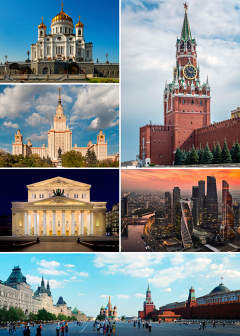
Moscow
Wikipedia
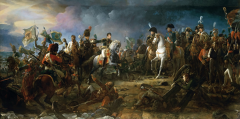
Napoleonic Wars
Wikipedia
Grande Armee
Wikipedia
grenadiers
Wikipedia
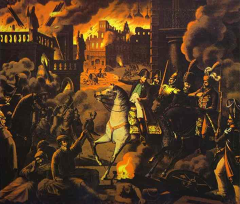
Fire of Moscow (1812)
Wikipedia

Napoleonic Wars
Wikipedia
Grande Armée
Wikipedia

Fire of Moscow (1812)
Wikipedia

French invasion of Russia
Wikipedia

Napoleon
Wikipedia

Moscow
Wikipedia

Russian Empire
Wikipedia
What Else Happened on September 14
Domitian seized the Roman throne immediately following his brother Titus’s sudden death from fever. His ascension ended the brief Flavian succession of natural …
Helena was 77 years old and traveling through Palestine when she reportedly found what she believed to be the True Cross — buried under a pagan temple on Golgot…
entrée de Bélisaire dans Carthage.
Emperor Heraclius paraded through the Golden Gate of Constantinople, carrying the True Cross he had reclaimed from the Sassanid Persians. This victory ended a g…
Three caliphs ruled the Islamic world in a single night. Al-Hadi died — some say poisoned on his mother's orders — and his brother Harun al-Rashid inherited an …
Niall Glúndub — 'Niall of the Black Knee' — was the most powerful king in Ireland, and he rode out to fight the Dublin Vikings with a coalition behind him. The …
Talk to History
Have a conversation with historical figures who witnessed this era. Ask questions, explore perspectives, and bring history to life.