

Battle of the Plains of Abraham: Britain Takes Quebec from France
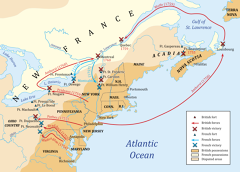
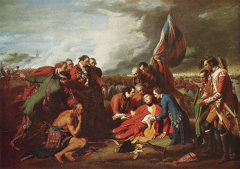
British General James Wolfe's troops scaled the cliffs outside Quebec City at dawn and crushed the French garrison in a battle lasting less than thirty minutes. Both Wolfe and French commander Montcalm died from their wounds, but the British victory sealed the fate of New France and transferred control of an entire continent.
September 13, 1759
267 years ago
Key Figures & Places
France
Wikipedia

United States
Wikipedia
United Kingdom
Wikipedia
French and Indian War
Wikipedia
Seven Years' War
Wikipedia

Quebec City
Wikipedia
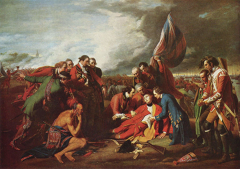
Battle of the Plains of Abraham
Wikipedia

Battle of the Plains of Abraham
Wikipedia

Quebec City
Wikipedia

Seven Years' War
Wikipedia

French and Indian War
Wikipedia

Canada
Wikipedia
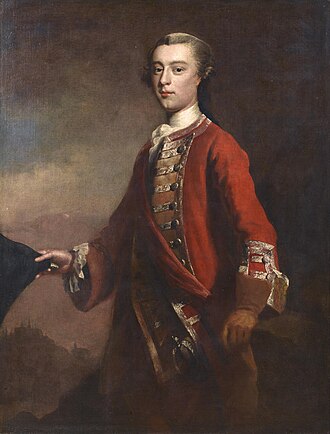
James Wolfe
Wikipedia

Louis-Joseph de Montcalm
Wikipedia
Historia de Canadá
Wikipedia
What Else Happened on September 13
A triumph was Rome's ultimate military honor — a procession through the city, a general on a chariot, the crowd roaring. Lucius Tarquinius Priscus, Rome's fifth…
The Temple of Jupiter Optimus Maximus took over 100 years to build — started under Rome's Etruscan kings and finished just as the Republic began. Dedicating it …
Michelangelo began carving his David from a massive, neglected block of Carrara marble that two previous sculptors had abandoned as unworkable. By transforming …
a 40 km de Atenas (Grecia), Milcíades tiene a sus tropas frente a las del persa Datis como preparación para la batalla de Maratón.
Hadrian ordered the wall built after visiting Britain himself — one of the few emperors who actually toured the frontiers. The structure ran 73 miles coast to c…
en el norte de Inglaterra, los romanos comienzan la construcción del Muro de Adriano (hasta el año 132).
Talk to History
Have a conversation with historical figures who witnessed this era. Ask questions, explore perspectives, and bring history to life.