

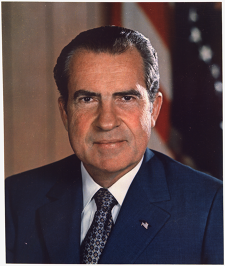
Vietnam Ceasefire Announced: Nixon Says Peace Is at Hand
Nixon launched ground incursions into Cambodia to sever supply lines, sparking massive domestic protests that forced an early morning meeting at the Lincoln Memorial. This escalation deepened the "credibility gap" between his campaign promises and reality, while the Pentagon Papers leak later shattered public trust in government secrecy regarding the war's history. The 1973 Paris Peace Accords finally ended American combat involvement, yet the failure to remove North Vietnamese troops ensured South Vietnam fell just two years later.
January 23, 1973
53 years ago
Key Figures & Places
What Else Happened on January 23
Emperor Theodosius I elevated his nine-year-old son Honorius to the rank of co-emperor, formalizing the dynastic succession of the Theodosian line. This move sp…
le prophète arabe Mahomet quitte Médine à la tête de 1 000 hommes, pour rejoindre les troupes des chefs qoreichites qui avaient survécu à la bataille de Badr, d…
Twelve crossbows. That's all it took to end an entire military innovation. The Southern Han's prized war elephants—massive, armored beasts that had crushed oppo…
Twelve crossbows. Seventy war elephants. And suddenly, battlefield tactics changed forever. The Song dynasty's archers didn't just fight—they revolutionized war…
en Colonia (Alemania), el arzobispo Federico I von Schwarzenburg emite la carta de fundación del monasterio de Kamp, propiedad de los cistercienses.
A muddy riverbank. A papal decree. And suddenly, the heart of Finnish Christianity shifts just a few miles downstream. Pope Gregory IX's signature redrew the sp…
Talk to History
Have a conversation with historical figures who witnessed this era. Ask questions, explore perspectives, and bring history to life.