

Biko Dies in Custody: Apartheid Martyr Born
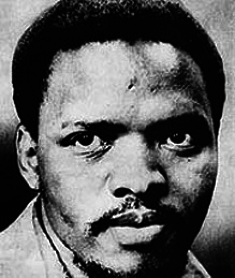
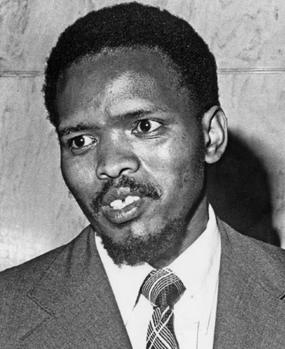
Steve Biko was loaded naked and shackled into the back of a police Land Rover for a 750-mile drive from Port Elizabeth to Pretoria, his brain already swelling from injuries sustained during interrogation. He died on September 12, 1977, alone on the floor of a prison cell at age thirty, and the apartheid government’s initial explanation that he had died of a hunger strike fooled almost no one. Biko had emerged in the late 1960s as the leading voice of the Black Consciousness Movement, a philosophical and political framework that urged Black South Africans to reject the psychological subjugation of apartheid and reclaim pride in their identity. As a medical student at the University of Natal, he co-founded the South African Students’ Organisation and articulated ideas that drew on Frantz Fanon, Pan-Africanism, and the American Black Power movement. His writings and speeches galvanized a generation of young activists who would drive the 1976 Soweto uprising. The security police arrested Biko on August 18, 1977, at a roadblock near Grahamstown. He was held under Section 6 of the Terrorism Act, which permitted indefinite detention without trial. During interrogation at the Sanlam Building in Port Elizabeth, security officers beat him severely enough to cause a brain hemorrhage. Despite visible signs of neurological damage, including slurred speech and inability to stand, police drove him across the country to Pretoria rather than seek proper medical treatment. An inquest initially absolved the police, but the testimony of district surgeon Ivor Lang and pathological evidence contradicted the official account. International condemnation was swift and devastating. The United Nations imposed a mandatory arms embargo on South Africa, the first such action against a member state. Biko’s death transformed him into the most prominent martyr of the anti-apartheid movement, and the 1987 film Cry Freedom brought his story to a global audience. At the Truth and Reconciliation Commission in 1997, five security officers applied for amnesty for Biko’s killing. Their applications were denied.
September 12, 1977
49 years ago
Key Figures & Places
Apartheid
Wikipedia
South Africa
Wikipedia
Steve Biko
Wikipedia

Internal resistance to apartheid
Wikipedia
Steve Biko
Wikipedia

Pretoria
Wikipedia
South Africa
Wikipedia

Apartheid
Wikipedia

Puerto Elizabeth
Wikipedia

cerebral hemorrhage
Wikipedia
Bürgerrechtler
Wikipedia

Embargo
Wikipedia

United Nations Security Council
Wikipedia

1946
Wikipedia
What Else Happened on September 12
Athenian and Plataean hoplites crushed the first Persian invasion force at the Bay of Marathon, proving that the mighty Achaemenid Empire was not invincible. Th…
Jin Xiaowudi was 10 years old when he inherited the Eastern Jin throne — a dynasty already reduced to ruling only southern China while the north fractured into …
Andronikos I Komnenos had seized the Byzantine throne through a coup, had the previous emperor — a child — strangled, and spent two years executing anyone he co…
Peter II of Aragon had 4,000 knights. Simon de Montfort had around 1,000. The math looked straightforward until Peter rode into battle with his identity deliber…
James I of Aragon was 21 years old when he landed at Santa Ponça with roughly 15,000 troops and 150 ships. Majorca had been under Moorish control for three cent…
King Denis of Portugal and King Ferdinand IV of Castile signed the Treaty of Alcañices on September 12, 1297, formalizing the border between their kingdoms with…
Talk to History
Have a conversation with historical figures who witnessed this era. Ask questions, explore perspectives, and bring history to life.