

Integrated Circuit Patented: The Chip That Powers Everything
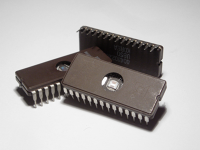
Jack Kilby demonstrated the first working integrated circuit at Texas Instruments, cramming multiple electronic components onto a single semiconductor chip for the first time. This proof of concept eliminated the need for hand-wired connections between discrete components, launching the miniaturization revolution that produced modern computers, smartphones, and every digital device in existence.
September 12, 1958
68 years ago
Key Figures & Places

What Else Happened on September 12
Athenian and Plataean hoplites crushed the first Persian invasion force at the Bay of Marathon, proving that the mighty Achaemenid Empire was not invincible. Th…
Jin Xiaowudi was 10 years old when he inherited the Eastern Jin throne — a dynasty already reduced to ruling only southern China while the north fractured into …
ذكرى هجرة الرسول محمد من مكة إلى المدينة المنورة حسب التقويم الميلادي.
Andronikos I Komnenos had seized the Byzantine throne through a coup, had the previous emperor — a child — strangled, and spent two years executing anyone he co…

Peter II of Aragon had 4,000 knights. Simon de Montfort had around 1,000. The math looked straightforward until Peter rode into battle with his identity deliber…
James I of Aragon was 21 years old when he landed at Santa Ponça with roughly 15,000 troops and 150 ships. Majorca had been under Moorish control for three cent…
Talk to History
Have a conversation with historical figures who witnessed this era. Ask questions, explore perspectives, and bring history to life.