

SS Central America Sinks: 30,000 Pounds of Gold Go to the Bottom
Captain William Lewis Herndon stayed on the bridge after ordering women and children into lifeboats. The SS Central America was taking on water 160 miles offshore in a Category 2 hurricane, carrying 477 passengers and 578 mailbags of California gold. Herndon went down with the ship in full dress uniform. The 13 to 15 tons of gold — worth roughly $2 billion today — sat on the ocean floor for 130 years before a recovery team found it in 1988. The wreck triggered one of the messiest treasure-salvage legal battles in American history.
September 12, 1857
169 years ago
Key Figures & Places
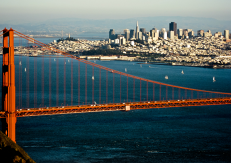
San Francisco
Wikipedia

North Carolina
Wikipedia
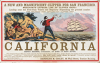
California Gold Rush
Wikipedia
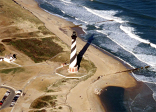
Cape Hatteras
Wikipedia
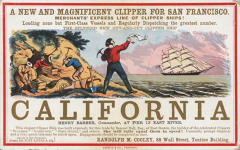
gold rush
Wikipedia
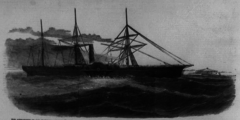
SS Central America
Wikipedia
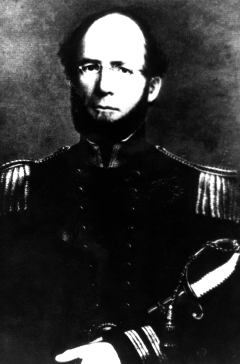
William Lewis Herndon
Wikipedia

SS Central America
Wikipedia

Cape Hatteras
Wikipedia

North Carolina
Wikipedia

William Lewis Herndon
Wikipedia

California gold rush
Wikipedia

Hurrikan
Wikipedia
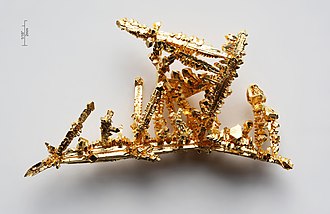
Gold
Wikipedia
What Else Happened on September 12
Athenian and Plataean hoplites crushed the first Persian invasion force at the Bay of Marathon, proving that the mighty Achaemenid Empire was not invincible. Th…
Jin Xiaowudi was 10 years old when he inherited the Eastern Jin throne — a dynasty already reduced to ruling only southern China while the north fractured into …
ذكرى هجرة الرسول محمد من مكة إلى المدينة المنورة حسب التقويم الميلادي.
Andronikos I Komnenos had seized the Byzantine throne through a coup, had the previous emperor — a child — strangled, and spent two years executing anyone he co…

Peter II of Aragon had 4,000 knights. Simon de Montfort had around 1,000. The math looked straightforward until Peter rode into battle with his identity deliber…
James I of Aragon was 21 years old when he landed at Santa Ponça with roughly 15,000 troops and 150 ships. Majorca had been under Moorish control for three cent…
Talk to History
Have a conversation with historical figures who witnessed this era. Ask questions, explore perspectives, and bring history to life.