

Compromise of 1850: California Enters Free, Fugitive Slave Act Passes
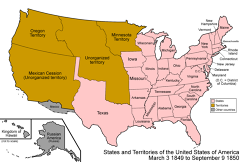
Texas surrendered a third of its claimed territory to federal control in exchange for the U.S. government assuming ten million dollars of its pre-annexation debt. This territorial swap redrew the map of five future states and temporarily defused the sectional crisis over slavery, though the underlying tensions erupted into civil war just eleven years later.
September 9, 1850
176 years ago
Key Figures & Places









What Else Happened on September 9
los atenienses y los siracusanos, en el marco de la guerra del Peloponeso, libran la segunda batalla de Siracusa.
Batalha da Floresta de Teutoburgo: uma aliança de tribos germânicas, chefiada por Armínio, dizima três legiões romanas.

Arminius had served in the Roman army. He spoke Latin, held Roman citizenship, knew Roman tactics intimately — and used all of it to lead three full legions int…
Constantine I died leaving three sons and an empire — and within weeks, every male relative who might compete with those sons was massacred. The soldiers who di…
Belisarius had 15,000 soldiers and was sailing against the Vandal Kingdom of North Africa, which had sacked Rome 80 years earlier. His commanding officer, the E…
Olaf Tryggvason leaped into the Baltic Sea to escape capture after his fleet fell to a coalition of Scandinavian kings at the Battle of Svolder. This defeat end…
Talk to History
Have a conversation with historical figures who witnessed this era. Ask questions, explore perspectives, and bring history to life.