Ford Pardons Nixon: A Nation Divided Over Justice
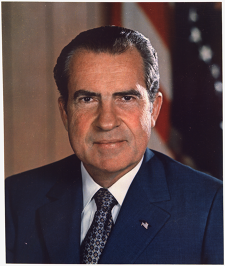
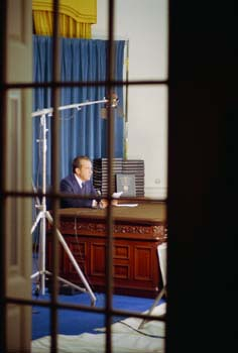
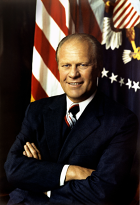
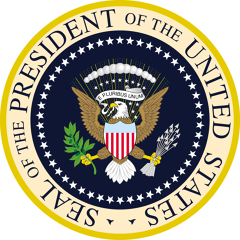
President Gerald Ford stood before a small group of reporters and television cameras in the Oval Office on Sunday morning, September 8, 1974, and announced that he was granting Richard Nixon "a full, free, and absolute pardon" for any crimes Nixon might have committed while serving as president. The decision, made barely a month after Ford took office following Nixon's resignation over the Watergate scandal, detonated a political firestorm that destroyed Ford's approval ratings, provoked accusations of a corrupt bargain, and likely cost him the 1976 presidential election. Ford's press secretary, Jerrell terHorst, resigned in protest within hours. Public outrage was immediate and widespread, with polls showing a 21-point drop in Ford's approval rating overnight, from 71 percent to 50 percent. Critics, including many members of Ford's own party, accused him of making a secret deal with Nixon: resign quietly, and the pardon will follow. Ford denied any agreement and testified before Congress, the first sitting president to do so since Abraham Lincoln, insisting that the pardon was necessary to heal a nation exhausted by two years of Watergate investigations. The pardon covered all federal crimes Nixon "committed or may have committed or taken part in" between January 20, 1969, and his resignation on August 9, 1974. Nixon accepted the pardon and released a statement acknowledging mistakes but stopping short of admitting guilt, saying he understood "how my own mistakes and misjudgments have contributed to this." The acceptance of a pardon carried a legal implication of guilt under the Supreme Court's ruling in Burdick v. United States, a nuance that Nixon's carefully worded statement deliberately sidestepped. Ford's decision prevented a criminal trial that would have consumed the nation for months or years, but it left millions of Americans feeling that justice had been denied. The pardon became a defining event of the 1970s crisis of trust in American government, linking Watergate, Vietnam, and the general sense that the powerful played by different rules than ordinary citizens. In 2001, the John F. Kennedy Library awarded Ford its Profile in Courage Award for the pardon, recognizing a decision that was politically suicidal but arguably necessary for the country's ability to move forward.
September 8, 1974
52 years ago
Key Figures & Places
What Else Happened on September 8
Roman legions under Titus breached the walls of Jerusalem, systematically dismantling the Second Temple and ending the Great Jewish Revolt. This destruction for…
Roman forces under Titus sacked Jerusalem on September 8, 70 AD, plundering the Temple treasury and burning the city after a months-long siege that starved the …
Li Yuan didn't want to rebel. His daughter Li Pingyang did. She raised her own army — reportedly 70,000 soldiers — while her father stalled, and her brother Li …
Antipope Theodoric's papacy lasted almost no time at all. Elected by a faction opposing the legitimate pope Paschal II in 1100, he held the title for only a few…
Philip of Swabia was crowned inside the Cathedral of Mainz by a single bishop in September 1198 — not in the traditional location, not with the traditional crow…
Pope Innocent IV canonized Stanisław of Szczepanów, the Bishop of Kraków who died at the hands of King Bolesław II. This formal recognition transformed a martyr…
Talk to History
Have a conversation with historical figures who witnessed this era. Ask questions, explore perspectives, and bring history to life.