

Tutu Chosen: First Black Anglican Leader Elected
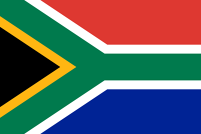
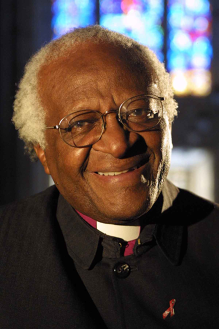
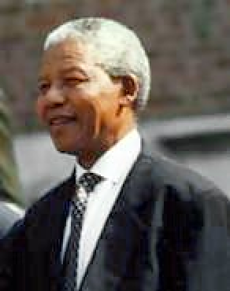
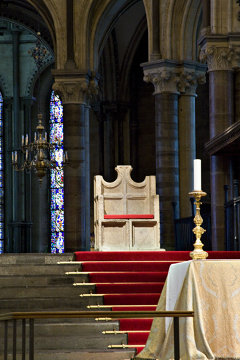
The Anglican Church in Southern Africa elected Desmond Tutu as its archbishop on September 7, 1986, making him the first Black person to lead the denomination in a country where the white minority government enforced racial segregation through the system of apartheid. Tutu, who had won the Nobel Peace Prize two years earlier for his nonviolent opposition to apartheid, assumed leadership of a church that had historically been associated with English-speaking white South Africans, transforming it into a vocal instrument of moral resistance against the regime. His election was both a religious appointment and a political statement heard around the world. Tutu had risen through the Anglican hierarchy during the worst years of apartheid repression. Born in 1931 in Klerksdorp, Transvaal, he trained as a teacher before entering the priesthood and studying theology at King's College London. As General Secretary of the South African Council of Churches from 1978 to 1985, he became the most prominent religious voice against apartheid, using his position to call for international economic sanctions against South Africa at a time when many Western governments, including the Reagan and Thatcher administrations, resisted such measures. His advocacy was marked by a refusal to endorse violence despite the immense provocation of the apartheid system. Tutu repeatedly intervened personally to prevent mob justice, once physically shielding a suspected informer from a crowd intent on "necklacing," the practice of killing collaborators with a burning tire. He condemned violence from all sides while insisting that the structures of apartheid were themselves a form of violence that demanded dismantling. After apartheid ended in 1994, President Nelson Mandela appointed Tutu to chair the Truth and Reconciliation Commission, which investigated human rights abuses committed by both the apartheid government and the liberation movements. The commission's model of restorative justice, offering amnesty in exchange for full disclosure rather than pursuing criminal prosecution, became an influential template for post-conflict societies worldwide. Tutu remained an outspoken moral voice until his death in 2021, challenging corruption, poverty, and injustice with the same ferocity he had directed at apartheid.
September 7, 1986
40 years ago
Key Figures & Places


What Else Happened on September 7
Roman legions under General Titus breached the walls of Jerusalem, systematically dismantling the Second Temple and ending the Great Jewish Revolt. This destruc…
Louis got the nickname 'the Stammerer' from his contemporaries — and it wasn't metaphorical. He had a pronounced stammer and was reportedly in poor health his e…
The papal election of 1159 produced two claimants simultaneously. The majority of cardinals chose Orlando Bandinelli, who became Alexander III. A minority backe…
Cardinal Rolando Bandinelli's election as Pope Alexander III triggered an immediate split when rivals crowned Cardinal Octaviano Monticelli as Antipope Victor I…
Richard the Lionheart shattered Saladin’s tactical reputation at Arsuf, proving that the Ayyubid army could be defeated in open field combat. By maintaining a d…
Frederick II arrived in the Holy Land already excommunicated by the Pope — the Church had banned him for repeatedly delaying this very trip. So he launched a Cr…
Talk to History
Have a conversation with historical figures who witnessed this era. Ask questions, explore perspectives, and bring history to life.