London Endures Blitz: 57 Nights of Nazi Bombing Begin
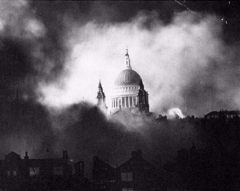
Three hundred German bombers, escorted by 600 fighters, appeared over the docks of London's East End on the afternoon of September 7, 1940, dropping high-explosive and incendiary bombs that set the Thames waterfront ablaze in a wall of fire visible for miles. The Blitz had begun. For the next 57 consecutive nights, the Luftwaffe would pound London without pause, killing over 40,000 civilians and destroying more than one million homes in an air campaign designed to break British morale and force the government to negotiate peace. The fires on that first night were so intense that bomber crews returning for a second wave needed no navigation aids to find their target. The shift to bombing London was a strategic blunder by the German high command. The Luftwaffe had been systematically attacking Royal Air Force airfields and radar stations throughout August, and Fighter Command was close to breaking point, with pilot losses exceeding replacement rates. When British bombers struck Berlin on the night of August 25, Hitler ordered retaliation against London, redirecting the assault from military targets to civilian ones. The reprieve allowed the RAF to repair its airfields, replace its aircraft, and recover the fighter strength that would prove decisive. Londoners adapted to the bombing with a resilience that became central to British national identity. Hundreds of thousands sheltered nightly in Underground stations, despite initial government resistance to using the Tube as a refuge. The Anderson shelter, a corrugated steel structure designed for back gardens, and the Morrison shelter, a reinforced table for indoor use, protected families who could not reach public shelters. Air Raid Precautions wardens, firefighters, and rescue workers operated around the clock, pulling survivors from rubble and extinguishing incendiary fires before they could spread. The Blitz failed in every strategic objective. British war production actually increased during the bombing, factory output rising as operations dispersed to smaller facilities across the country. Civilian morale, while strained, never collapsed into the panic that German planners expected. Churchill's defiant broadcasts and the shared experience of survival under bombardment forged a national solidarity that sustained the British war effort through four more years of conflict.
September 7, 1940
86 years ago
Key Figures & Places
What Else Happened on September 7
Roman legions under General Titus breached the walls of Jerusalem, systematically dismantling the Second Temple and ending the Great Jewish Revolt. This destruc…
Louis got the nickname 'the Stammerer' from his contemporaries — and it wasn't metaphorical. He had a pronounced stammer and was reportedly in poor health his e…
The papal election of 1159 produced two claimants simultaneously. The majority of cardinals chose Orlando Bandinelli, who became Alexander III. A minority backe…
Cardinal Rolando Bandinelli's election as Pope Alexander III triggered an immediate split when rivals crowned Cardinal Octaviano Monticelli as Antipope Victor I…
Richard the Lionheart shattered Saladin’s tactical reputation at Arsuf, proving that the Ayyubid army could be defeated in open field combat. By maintaining a d…
Frederick II arrived in the Holy Land already excommunicated by the Pope — the Church had banned him for repeatedly delaying this very trip. So he launched a Cr…
Talk to History
Have a conversation with historical figures who witnessed this era. Ask questions, explore perspectives, and bring history to life.