Continental Congress Convened: Colonies Unite
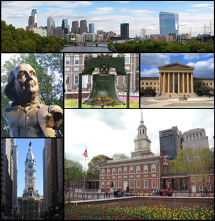
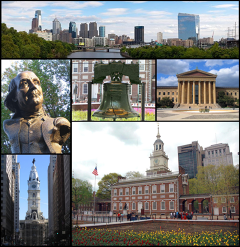
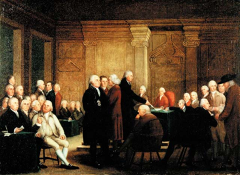
Fifty-six delegates from twelve of the thirteen American colonies gathered at Carpenter's Hall in Philadelphia on September 5, 1774, convening the First Continental Congress in response to the Intolerable Acts that Britain had imposed on Massachusetts after the Boston Tea Party. The delegates included George Washington, John Adams, Samuel Adams, Patrick Henry, and John Jay, a collection of political talent that would later fill the highest offices of a nation that did not yet exist. Georgia, the only absent colony, needed British military protection against Creek and Cherokee raids and could not afford to antagonize London. The Intolerable Acts, Parliament's punitive response to the destruction of tea in Boston Harbor, had closed the port of Boston, revoked Massachusetts's colonial charter, and allowed royal officials accused of crimes to be tried in England rather than by colonial juries. The legislation was intended to isolate Massachusetts and intimidate the other colonies into compliance. The opposite happened. Colonies that had been reluctant to challenge British authority saw in the Intolerable Acts a precedent that threatened all of their chartered rights. The Congress debated two competing visions over seven weeks. Joseph Galloway of Pennsylvania proposed a Plan of Union that would have created an American parliament operating alongside the British one, a conciliatory approach that came within a single vote of adoption. The more radical delegates, led by the Adams cousins from Massachusetts and Patrick Henry from Virginia, pushed for economic warfare. The Congress ultimately adopted the Continental Association, a comprehensive boycott of British goods enforced by local committees of inspection that became, in practice, the first organs of revolutionary self-government. The First Continental Congress did not declare independence. Most delegates still hoped for reconciliation and framed their demands as a restoration of rights they believed were guaranteed by the British constitution. But the enforcement mechanisms they created, the committees and conventions that policed the boycott, built the organizational infrastructure of revolution. When fighting broke out at Lexington and Concord seven months later, the Second Continental Congress had a framework of colonial cooperation already in place.
September 5, 1774
252 years ago
Key Figures & Places
What Else Happened on September 5
Liu Yan declared himself emperor in Panyu, formally establishing the Southern Han state. By asserting imperial authority over the Lingnan region, he secured con…
Swa Saw Ke inherited the kingdom of Ava in central Burma in 1367 and spent the next 33 years doing something unusual for a medieval Southeast Asian monarch: he …
Alexander Farnese maneuvered his Spanish forces to break the siege of Paris, compelling Henry IV to withdraw his troops. This tactical victory preserved the Cat…
Nicolas Fouquet had thrown a party for the King — a housewarming at his château at Vaux-le-Vicomte, so lavish it reportedly made Louis XIV silently furious that…
The Great Fire burned for four days and nights through 13,200 houses and 87 churches, leaving 100,000 people homeless in the ruins of medieval London. The offic…
Pierre Le Moyne d'Iberville fought his way into Hudson Bay through waters most European commanders refused to enter. In 1697 his single ship, the Pélican, engag…
Talk to History
Have a conversation with historical figures who witnessed this era. Ask questions, explore perspectives, and bring history to life.