

First ATM Installed: Banking Revolution Begins
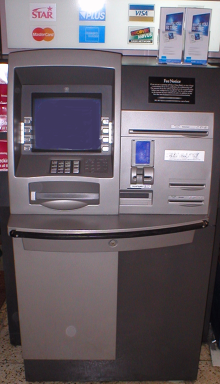
Chemical Bank installed the first automated teller machine in the United States at its branch in Rockville Centre, New York, on September 2, 1969, allowing customers to withdraw cash without interacting with a human teller for the first time. The machine, manufactured by Docutel, dispensed a fixed amount of cash when customers inserted a specially coded card. The initial reaction from the public ranged from fascination to deep suspicion, and early adoption was slow because customers had to request the proprietary cards from the bank and many found the technology intimidating. The concept of automated cash dispensing had emerged independently in several countries during the late 1960s. Barclays Bank in London installed what is generally considered the world's first cash machine in June 1967, two years before Chemical Bank's machine, using a system invented by John Shepherd-Barron that required special vouchers rather than plastic cards. Luther George Simjian had patented an earlier "Bankograph" machine in 1960, installed briefly by City Bank of New York, but it was withdrawn after six months due to lack of customer interest. The Chemical Bank machine represented the version of the technology that would actually catch on in America. Early ATMs were simple compared to modern machines. They could only dispense cash in preset amounts, did not connect to a central network, and required offline verification. The magnetic stripe card, developed by IBM engineer Forrest Parry, became the standard interface, and networking technology in the 1970s and 1980s connected machines to interbank systems that allowed customers to access their accounts from any participating location. The introduction of personal identification numbers added a security layer that made widespread adoption feasible. By the early 2000s, there were over 400,000 ATMs in the United States alone. The machines fundamentally altered both consumer behavior and bank operations, reducing the need for branch visits and teller staff while creating an expectation of 24-hour access to money. The simple concept of a machine that hands you your own cash transformed an industry built on face-to-face transactions into one increasingly conducted through screens.
September 2, 1969
57 years ago
Key Figures & Places
What Else Happened on September 2
Cicero was 62 years old, semi-retired, and knew exactly how dangerous this was. Mark Antony controlled Rome's legions. Cicero controlled words. His first Philip…
Cleopatra VII elevated her young son, Caesarion, to the Egyptian throne as co-ruler, cementing a political alliance with Julius Caesar. By positioning the boy a…

Cleopatra's gilded warship turned and fled through the battle line at Actium on September 2, 31 BC, and Mark Antony abandoned his fleet to chase after her, hand…
Galla Placidia had already been captured by Visigoths, married their king, widowed, ransomed back to Rome, and forced into a second marriage by her own brother …
Richard had spent three years fighting for Jerusalem and never took it. The Treaty of Jaffa was his admission that he couldn't — but he negotiated hard. Saladin…
Mary had been Queen of France, then widowed at 18, then forced to return to a Scotland she barely remembered. When she rode into Edinburgh in August 1561, Prote…
Talk to History
Have a conversation with historical figures who witnessed this era. Ask questions, explore perspectives, and bring history to life.