

September Massacres: Paris Mobs Slaughter Prisoners
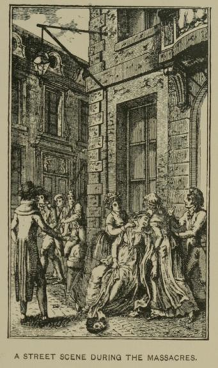
Mobs of Parisians stormed the city's overcrowded prisons on September 2, 1792, dragging inmates into courtyards where improvised tribunals delivered instant verdicts and executioners hacked prisoners to death with swords, pikes, and axes. Over three days, between 1,100 and 1,400 people were massacred, including three bishops, more than 200 priests who had refused to swear loyalty to the revolutionary government, and hundreds of common criminals who had nothing to do with royalist politics. The September Massacres represented the French Revolution's descent from idealism into organized savagery. The killings erupted from genuine panic. The Prussian army under the Duke of Brunswick had crossed into France and was advancing on Paris, and his manifesto threatening to destroy the city if the royal family was harmed had the opposite of its intended effect, enraging rather than intimidating the populace. Rumors swept through the streets that imprisoned royalists and priests were planning to break free and attack the city from within once the Prussians arrived. The sans-culottes, the radical working-class revolutionaries who formed the backbone of the Parisian mob, decided to eliminate the threat before it materialized. Revolutionary leaders including Georges Danton, then Minister of Justice, did nothing to stop the bloodshed and may have tacitly encouraged it. Jean-Paul Marat, the inflammatory journalist whose newspaper L'Ami du Peuple had been calling for preemptive violence against enemies of the revolution, openly celebrated the killings. The newly formed Paris Commune, which had seized control of the city government, issued no orders to halt the massacres. The September Massacres horrified moderate revolutionaries and foreign observers, accelerating the diplomatic isolation of revolutionary France. They also foreshadowed the Reign of Terror that would begin the following year, when the same logic of preemptive killing was institutionalized under the Committee of Public Safety. The boundary between revolution and mass murder, once crossed, proved almost impossible to re-establish.
September 2, 1792
234 years ago
Key Figures & Places




What Else Happened on September 2
Cicero was 62 years old, semi-retired, and knew exactly how dangerous this was. Mark Antony controlled Rome's legions. Cicero controlled words. His first Philip…
Cleopatra VII elevated her young son, Caesarion, to the Egyptian throne as co-ruler, cementing a political alliance with Julius Caesar. By positioning the boy a…

Cleopatra's gilded warship turned and fled through the battle line at Actium on September 2, 31 BC, and Mark Antony abandoned his fleet to chase after her, hand…
Galla Placidia had already been captured by Visigoths, married their king, widowed, ransomed back to Rome, and forced into a second marriage by her own brother …
Richard had spent three years fighting for Jerusalem and never took it. The Treaty of Jaffa was his admission that he couldn't — but he negotiated hard. Saladin…
Mary had been Queen of France, then widowed at 18, then forced to return to a Scotland she barely remembered. When she rode into Edinburgh in August 1561, Prote…
Talk to History
Have a conversation with historical figures who witnessed this era. Ask questions, explore perspectives, and bring history to life.