

KAL 007 Shot Down: Soviets Kill 269 Civilians Over the Sea of Japan
A Soviet Su-15 interceptor shoots down Korean Air Lines Flight 007 after the civilian jet drifts into restricted airspace, killing all 269 souls aboard and claiming U.S. Congressman Lawrence McDonald's life. This tragedy shatters any remaining illusion of Cold War restraint, compelling the United States to demand immediate transparency from Moscow and accelerating the deployment of GPS technology for civil aviation to prevent future navigational errors.
September 1, 1983
43 years ago
Key Figures & Places

United States
Wikipedia

Soviet Union
Wikipedia

Soviet
Wikipedia

Cold War
Wikipedia

United States Congress
Wikipedia
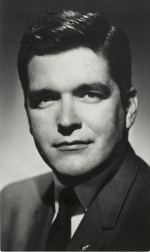
Larry McDonald
Wikipedia
Korean Air Flight 007
Wikipedia
Congressmen
Wikipedia
Lawrence McDonald
Wikipedia
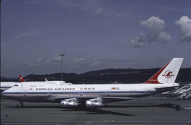
Korean Air Lines Flight 007
Wikipedia

Cold War
Wikipedia

Korean Air Lines Flight 007
Wikipedia

Soviet Union
Wikipedia

United States Congress
Wikipedia

Larry McDonald
Wikipedia

Uzbekistan
Wikipedia

Korean Air
Wikipedia

Fighter aircraft
Wikipedia

Venus
Wikipedia
Sputnik 20
Wikipedia
31 de agosto
Wikipedia

Soviet Air Forces
Wikipedia

Sakhalin
Wikipedia

Boeing
Wikipedia
Geschichte Usbekistans
Wikipedia

Boeing 747
Wikipedia

South Korea
Wikipedia
What Else Happened on September 1
fecha (basada en el Antiguo testamento) de la creación del mundo en el Imperio bizantino, que da inicio a su calendario.
Marcus Furius Camillus dedicated the Temple of Juno Regina on the Aventine Hill, fulfilling a vow made during the grueling siege of Veii. By transplanting the g…
Nobody actually celebrated it in 462 AD. The Byzantine indiction was a 15-year Roman tax assessment cycle — a bureaucratic rhythm that somehow became embedded i…
en España comienza el reinado del rey visigodo Wamba.
Greek fire did what no sword could. The Byzantine navy pumped it through bronze tubes mounted on ships, igniting the Muslim armada — 1,800 vessels — as it pushe…
en la llanura cerca del actual yacimiento paleontológico de Atapuerca, 265 km al norte de la villa de Madrid, Fernando I (rey de León) vence y mata a su hermano…
Talk to History
Have a conversation with historical figures who witnessed this era. Ask questions, explore perspectives, and bring history to life.