

Macintosh Launches: Computing Revolution with a Mouse
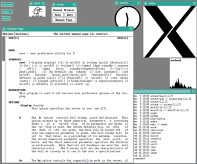
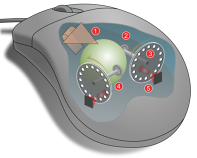
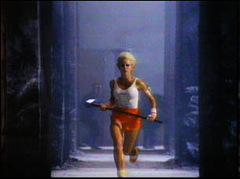
Steve Jobs stood before a crowd at the Flint Center in Cupertino, pulled a beige computer from a bag, and let it introduce itself. "Hello, I''m Macintosh," the machine said in a synthesized voice, and the audience of 2,600 erupted. On January 22, 1984 (first publicly sold on January 24), the Apple Macintosh debuted as the first mass-market personal computer with a graphical user interface and a mouse, bringing technology previously confined to research labs into American living rooms. The Macintosh was born from the wreckage of Apple''s Lisa computer, a $9,995 machine that was technically brilliant but commercially disastrous. Jobs, who had been pushed off the Lisa team, took over the Macintosh project and drove his small team to build a computer that was cheaper, faster, and more accessible. The machine shipped with 128KB of RAM, a 3.5-inch floppy drive, a 9-inch monochrome screen, and a price tag of $2,495—expensive, but within reach of schools and small businesses. Two days earlier, Apple had aired its legendary "1984" Super Bowl commercial, directed by Ridley Scott. The ad, depicting a heroine smashing a screen displaying Big Brother, positioned the Macintosh as a tool of liberation against IBM''s dominance of the computer industry. The ad aired exactly once during the broadcast but was replayed endlessly on news programs, creating what is now considered the greatest television commercial ever made. Early sales were strong—70,000 units in the first 100 days—but soon slowed as buyers encountered the machine''s limited memory and software library. The original Macintosh was a flawed product. But its core innovations—the desktop metaphor, pull-down menus, drag-and-drop, proportionally spaced fonts—defined how humans would interact with computers for the next four decades. Microsoft''s Windows, which adopted the same interface paradigm, would dominate the market by the early 1990s, but the template was Apple''s.
January 22, 1984
42 years ago
Key Figures & Places
What Else Happened on January 22
Emperor Justinian I forced Patriarch Eutychius into exile, replacing him with the more compliant John Scholasticus. This power play solidified imperial control …
Twelve months old and already wearing imperial purple. Constantine was less a ruler and more a political chess piece, hoisted onto the Byzantine throne by his f…
The Vikings didn't just win. They crushed the West Saxons so thoroughly that King Æthelred would bleed out from his battle wounds shortly after. Basing was more…
Pope Julius II didn't mess around with security. These weren't just soldiers—they were Alpine mountain fighters, recruited from Swiss cantons known for producin…
The Ottoman cannons roared. Selim I—nicknamed "the Grim"—had been waiting years to crush the Mamluks, those warrior-slaves who'd ruled Egypt for centuries. His …
He was just 21, but Charles V was about to turn medieval German politics into a religious powder keg. The Holy Roman Emperor summoned Martin Luther to explain h…
Talk to History
Have a conversation with historical figures who witnessed this era. Ask questions, explore perspectives, and bring history to life.