

Thurgood Marshall Confirmed: First Black Supreme Court Justice
Thurgood Marshall took his seat on the Supreme Court, shattering a racial barrier that had stood for nearly two centuries and immediately shifting the court's composition toward greater representation of Black Americans. This confirmation transformed the legal landscape by placing a former civil rights lawyer in the room where landmark rulings on equality would be decided, setting a precedent that eventually led to for future diverse appointments.
August 30, 1967
59 years ago
Key Figures & Places
Supreme Court of the United States
Wikipedia
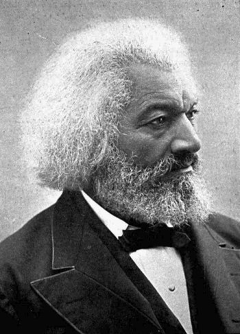
African American
Wikipedia
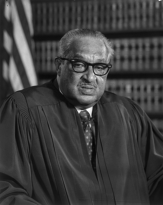
Thurgood Marshall
Wikipedia
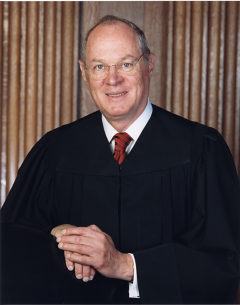
Associate Justice of the Supreme Court of the Unit
Wikipedia
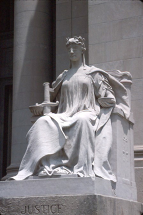
Justice
Wikipedia

Thurgood Marshall
Wikipedia

African American
Wikipedia

Associate Justice of the Supreme Court of the United States
Wikipedia
Supreme Court of the United States
Wikipedia
What Else Happened on August 30
Cleopatra VII — the last pharaoh of Egypt — died by suicide at age 39 after Octavian's forces conquered Alexandria, ending the Ptolemaic dynasty that had ruled …
Roman legions breached the inner walls of Jerusalem, systematically dismantling Herod’s Temple and ending the months-long siege. This destruction forced the Jew…
Kaiser Valentinian I. erlässt zu Breisach ein Edikt zum Ausbau der Rheingrenze.
Theoderic the Great, the Ostrogoth king who had ruled Italy for over 30 years, died of dysentery at Ravenna in 526 AD. His daughter Amalasuntha took power as re…
Elderly Byzantine Emperor Michael VI Bringas abdicated in 1057 after just one year on the throne, forced out by a military revolt led by Isaac Komnenos. His bri…
The Mirdasid forces crush the Fatimid army at al-Funaydiq, shattering their hold on Aleppo forever. This decisive victory ends over a decade of Fatimid rule in …
Talk to History
Have a conversation with historical figures who witnessed this era. Ask questions, explore perspectives, and bring history to life.