Katrina Hits: New Orleans Levees Break, City Drowns
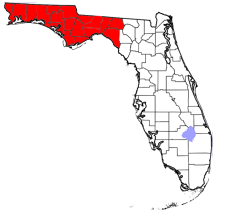
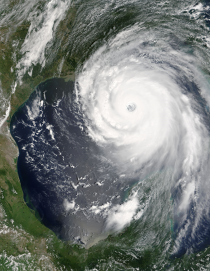
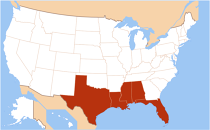
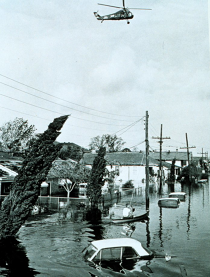
Hurricane Katrina made landfall near Buras, Louisiana, on the morning of August 29, 2005, as a Category 3 storm with sustained winds of 125 miles per hour. The wind damage was devastating, but what followed was catastrophic: the federal levee system protecting New Orleans failed in over 50 locations, flooding 80 percent of the city and trapping tens of thousands of residents on rooftops, in attics, and inside the Superdome. The storm killed approximately 1,836 people and caused over $108 billion in damage, making it the costliest natural disaster in American history at the time. Katrina had formed over the Bahamas on August 23 and crossed southern Florida as a Category 1 hurricane before entering the Gulf of Mexico, where it exploded into a Category 5 monster. Warm Gulf waters fed the storm to peak winds of 175 miles per hour. Mandatory evacuation orders were issued for New Orleans on August 28, but roughly 100,000 residents, many of them elderly, poor, or without transportation, could not leave. The city provided no buses. The Superdome was designated as a shelter of last resort, and roughly 20,000 people crowded inside. The storm surge along the Mississippi coast reached nearly 28 feet, obliterating beach communities from Waveland to Biloxi. Casino barges were hurled hundreds of yards inland. But the worst destruction occurred in New Orleans, where the levees built and maintained by the U.S. Army Corps of Engineers proved fatally inadequate. Floodwalls along the Industrial Canal, the 17th Street Canal, and the London Avenue Canal failed not because the storm exceeded their design capacity, but because of fundamental engineering flaws in their construction. Water poured into neighborhoods at terrifying speed. The government response was disastrously slow. FEMA director Michael Brown was removed from command after ten days. Evacuees at the Superdome and the Convention Center waited days for food, water, and transportation. Television footage of American citizens wading through floodwater, begging for help from rooftops, and dying in plain sight shocked the world. The racial and economic dimensions of the disaster were impossible to ignore: the neighborhoods that flooded most severely were overwhelmingly Black and poor. Katrina exposed failures at every level of government and forced a national reckoning with infrastructure neglect, emergency preparedness, and the persistent inequalities of American life.
August 29, 2005
21 years ago
Key Figures & Places

What Else Happened on August 29
Japan minted copper coins for the first time in 708 AD, during the reign of Empress Genmei. The coins were called Wado Kaichin — Wado meaning Japanese copper an…
An Aghlabid army breached the walls of Melite after a grueling siege in 870, compelling the city's surrender and ending centuries of Byzantine governance over M…
Fire consumed the newly inaugurated Mainz Cathedral on the very day of its consecration in 1009. This disaster forced Archbishop Willigis to abandon his origina…
The Battle of Fariskur in 1219 during the Fifth Crusade saw Crusader forces clash with the Ayyubid Sultanate in the Egyptian Delta. The Fifth Crusade's Egyptian…
Pope Urban IV succeeded Alexander IV as the 182nd pope in 1261, launching a papacy that would establish the Feast of Corpus Christi — one of the most important …
The 1315 Battle of Montecatini produced a decisive upset when Pisa's forces under the warlord Uguccione della Faggiuola routed the larger Guelph army of Florenc…
Talk to History
Have a conversation with historical figures who witnessed this era. Ask questions, explore perspectives, and bring history to life.