Plague Identified: Kitasato Isolates Deadly Bacterium
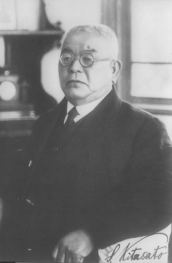
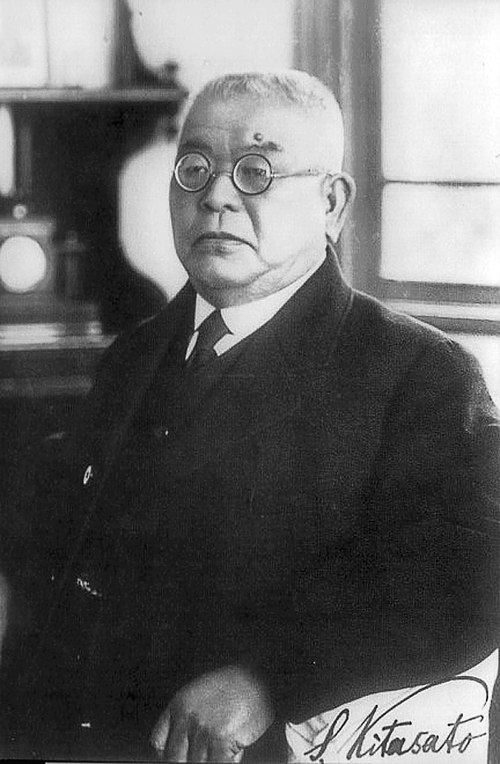
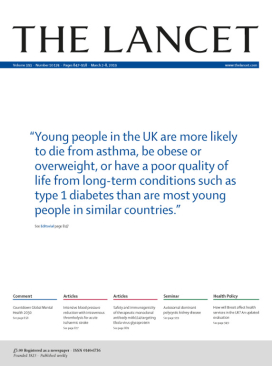
Kitasato Shibasaburo peered through his microscope in a makeshift Hong Kong laboratory in the summer of 1894 and identified the bacterium responsible for bubonic plague, the disease that had killed roughly a third of Europe's population in the fourteenth century. His findings, published on August 25, 1894, in The Lancet, marked the beginning of humanity's scientific understanding of one of history's deadliest killers. Plague had erupted in Canton and Hong Kong in the spring of 1894, killing tens of thousands and threatening to spread along global shipping routes. The Japanese and French governments both dispatched researchers to identify the causative agent. Kitasato, a student of the legendary Robert Koch and already famous for co-discovering the tetanus antitoxin, arrived with a well-funded team and received full cooperation from British colonial authorities. Alexandre Yersin, a Swiss-French bacteriologist working for the Pasteur Institute, arrived with almost nothing and was initially denied access to the hospital morgue. Kitasato isolated a bacterium from blood samples and published first. Yersin, working independently and under far more difficult conditions, isolated the same organism from aspirated buboes and demonstrated conclusively that it caused the disease. The question of priority remained contentious for decades. Modern consensus credits Yersin with the more definitive identification, and the bacterium was eventually named Yersinia pestis in his honor. Kitasato may have isolated a secondary organism or a less virulent strain, though his initial observations were not entirely wrong. The discovery transformed plague from a mysterious divine punishment into a treatable infectious disease. Within years, researchers established that rat fleas transmitted the bacterium, enabling targeted public health interventions that have contained every major outbreak since. Bubonic plague still kills several hundred people annually, mostly in Madagascar and the Democratic Republic of Congo, but it is now curable with common antibiotics. Kitasato's Hong Kong laboratory, improvised and underfunded, was where the scientific conquest of humanity's most feared disease began.
August 25, 1894
132 years ago
Key Figures & Places
What Else Happened on August 25
Julian, a 25-year-old Roman prince who had been a philosophy student just two years earlier, led 13,000 legionaries against an Alemanni army nearly three times …
Emperor Constantine V publicly humiliated nineteen high-ranking officials upon uncovering a conspiracy, then executed the ringleaders Constantine Podopagouros a…
The Archbishop of Utrecht granted the Dutch settlement of Ommen official city and fortification rights, elevating it from a rural hamlet to a recognized urban c…
August 25, 1258. George Mouzalon had served as regent for the young Emperor John IV Laskaris of Nicaea — the Byzantine rump state established after Constantinop…
Philip III ascended the French throne while stricken by dysentery during the Eighth Crusade, leaving his uncle Charles I of Naples to force peace talks with the…
The Honourable Artillery Company was granted a royal charter by Henry VIII on August 25, 1537. It is the oldest surviving regiment in the British Army — 488 yea…
Talk to History
Have a conversation with historical figures who witnessed this era. Ask questions, explore perspectives, and bring history to life.