

Vesuvius Erupts: Pompeii Buried in Ash
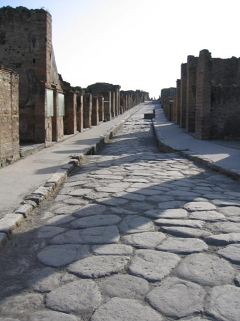
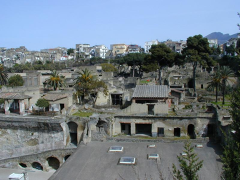
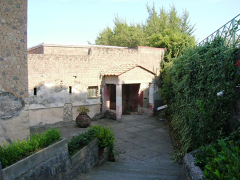
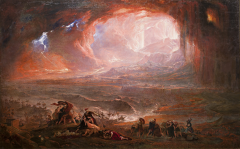
A column of superheated gas and rock shot 33 kilometers into the sky above the Bay of Naples on August 24, 79 AD, as Mount Vesuvius tore itself apart in one of the deadliest volcanic eruptions in recorded history. Below, the Roman cities of Pompeii, Herculaneum, and Stabiae had roughly eighteen hours before they ceased to exist. Vesuvius had been rumbling for days. Small earthquakes rattled the region starting on August 20, but the residents of Pompeii, a prosperous trading city of roughly 11,000 people, were accustomed to tremors. A major earthquake had damaged the city in 62 AD, and reconstruction was still underway seventeen years later. Nobody recognized the shaking as a warning that the mountain above them was about to explode. When the eruption began around midday, it initially produced a rain of pumice stones that accumulated at a rate of about six inches per hour on Pompeii's rooftops. Many residents fled immediately. Others sheltered indoors, waiting for the bombardment to stop. The pumice phase lasted roughly twelve hours. Then, beginning around midnight, the eruption's character changed catastrophically. The column of ash and gas collapsed, sending pyroclastic surges racing down the mountainside at speeds exceeding 100 kilometers per hour and temperatures above 300 degrees Celsius. Herculaneum, closer to the volcano and directly downslope, was buried under 20 meters of volcanic material. The surges reached Pompeii by early morning, killing anyone still in the city almost instantly. Pliny the Elder, the famed naturalist and naval commander, died attempting a rescue mission across the bay. His nephew, Pliny the Younger, watched from Misenum and later wrote two letters describing the disaster that remain the earliest detailed eyewitness account of a volcanic eruption. Pompeii lay buried under four to six meters of ash for nearly 1,700 years until excavations began in 1748. The ash preserved buildings, frescoes, graffiti, food, and the contorted forms of the dead in extraordinary detail, giving modern archaeologists an unparalleled snapshot of Roman daily life frozen at the moment of its destruction.
August 24, 79
1947 years ago
Key Figures & Places
What Else Happened on August 24
Gaius Scribonius Curio crossed into Africa in 49 BC with two legions, chasing Pompey's allies, certain he had the upper hand. He didn't. Publius Attius Varus ha…
Valentinian I elevated his eight-year-old son Gratian to the rank of co-Augustus, formalizing a dynastic succession plan to secure the imperial throne. This mov…
The last known inscription in Egyptian hieroglyphs was carved at the Temple of Isis on the island of Philae in 394 AD, a dedication by a priest named Esmet-Akho…
Alaric I and his Visigoth forces breached the Salarian Gate, initiating the first sack of Rome in eight centuries. This collapse of the city’s perceived invulne…
Vandal King Genseric led his forces into Rome in 455 AD after Pope Leo I negotiated terms: the gates would be opened in exchange for the Vandals refraining from…
Norman forces sacked Thessalonica, the Byzantine Empire's second-largest city, in 1185 during a brutal raid that killed thousands of Greek civilians. The attack…
Talk to History
Have a conversation with historical figures who witnessed this era. Ask questions, explore perspectives, and bring history to life.