

Baltic Way: 2 Million People Hold Hands Across Three Countries
Two million people from Estonia, Latvia, and Lithuania linked hands across 600 kilometers to form an unbroken human chain that shattered Soviet control over the Baltic states. This massive display of unity forced Moscow to acknowledge the region's desire for independence, accelerating the dissolution of the USSR and restoring sovereignty to all three nations within a year.
August 23, 1989
37 years ago
Key Figures & Places

Latvia
Wikipedia
Lithuania
Wikipedia
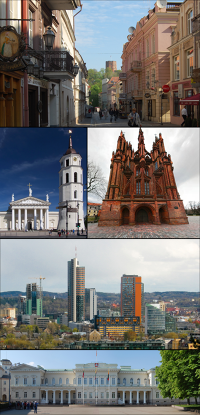
Vilnius
Wikipedia

Estonia
Wikipedia
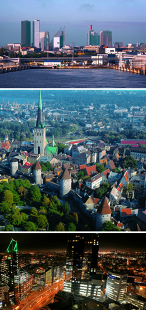
Tallinn
Wikipedia
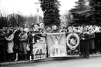
Singing Revolution
Wikipedia
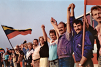
Baltic Way
Wikipedia

Singing Revolution
Wikipedia

Estonia
Wikipedia

Latvia
Wikipedia

Lithuania
Wikipedia

Vilnius
Wikipedia

Tallinn
Wikipedia

Baltic Way
Wikipedia

Molotov–Ribbentrop Pact
Wikipedia

Menschenkette
Wikipedia
Soviet Union
Wikipedia
What Else Happened on August 23
Pharao Ptolemaios III. lässt den Tempel von Edfu nach einem von ihm festgelegten Grundriss bauen.
Der römische Konsul Quintus Fulvius Nobilior wird im Spanischen Krieg bei Numantia von Keltiberern überfallen und verliert eine ganze Legion.
After conquering Egypt, Octavian (the future Augustus) ordered the execution of both Marcus Antonius Antyllus, the eldest son of Marc Antony, and Caesarion, the…
Augustus used the Ludi Volcanalici — games held in the precinct of Vulcan's temple — to celebrate Rome's diplomatic triumph over Parthia and the return of the l…
Mount Vesuvius erupted on the feast day of Vulcan, burying Pompeii and Herculaneum under layers of volcanic ash and pumice. This sudden catastrophe perfectly pr…
en Roma, en medio de una tormenta de rayos se incendia el Coliseo.
Talk to History
Have a conversation with historical figures who witnessed this era. Ask questions, explore perspectives, and bring history to life.