Richard III Falls at Bosworth: Wars of the Roses End
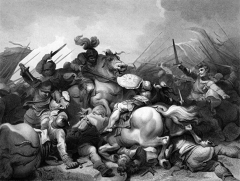
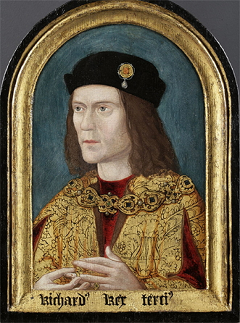
Richard III charged directly at Henry Tudor across the muddy field at Bosworth on August 22, 1485, gambling his crown on a single cavalry strike that would kill his rival and end the battle in minutes. The gamble failed. The last Plantagenet king of England was unhorsed, surrounded, and hacked to death, his crown reportedly found hanging in a thornbush and placed on Henry's head before the blood had dried. The Wars of the Roses had torn England apart for thirty years, with the houses of Lancaster and York trading the throne through murder, battle, and betrayal. Richard had seized power in 1483 by declaring his twelve-year-old nephew Edward V illegitimate and imprisoning him alongside his younger brother in the Tower of London. Both boys vanished, and the widespread belief that Richard had ordered their murders eroded his support among the English nobility. Henry Tudor, a Lancastrian claimant living in exile in Brittany, saw his opportunity. Henry landed in Wales on August 7 with a small force of French mercenaries and Welsh supporters. He marched east, gathering men as he went, though his army of roughly 5,000 remained heavily outnumbered by Richard's 10,000. The critical variable was Thomas, Lord Stanley, who arrived at Bosworth with 4,000 men but refused to commit to either side. Richard noticed Henry was lightly guarded and launched his charge, nearly reaching his rival before Stanley's forces intervened, surrounding the king. Richard fought on foot after losing his horse, reportedly shouting that he would die a king. His body was stripped naked, slung over a horse, and carried to Leicester for public display. Henry VII married Edward IV's daughter Elizabeth of York, uniting the warring houses and founding the Tudor dynasty that would rule England for 118 years. Richard's body, lost for centuries, was discovered beneath a Leicester parking lot in 2012 and reburied in the city's cathedral.
August 22, 1485
541 years ago
Key Figures & Places
What Else Happened on August 22
General Arbogast elevated the rhetorician Eugenius to the Western Roman throne, bypassing the authority of the Eastern Emperor Theodosius I. This bold power pla…
Odoacer was a soldier, not a visionary. He led a coalition of Germanic troops who'd grown tired of waiting for pay and land grants from the Western Roman Empire…
Saint Columba encountered a massive water beast while crossing the River Ness, reportedly commanding the creature to retreat after it attacked a swimmer. This a…
Erispoe’s Breton forces crushed the army of Charles the Bald at the Battle of Jengland, compelling the Frankish king to recognize Breton independence. This vict…
The Battle of the Standard in 1138 takes its name from a ship's mast mounted on a wagon, carrying the banners of Yorkshire saints, that the English army used as…
King Baldwin III's coalition of Templars and Hospitallers seized the fortress of Ascalon from Fatimid Egypt, finally removing the last major Muslim stronghold t…
Talk to History
Have a conversation with historical figures who witnessed this era. Ask questions, explore perspectives, and bring history to life.