

Battle of Vimeiro: Wellington Defeats France in Portugal
General Arthur Wellesley's Anglo-Portuguese force defeated a French army under Junot at Vimeiro, scoring the first Allied land victory of the Peninsular War. The battle demonstrated Wellesley's defensive tactics of using reverse-slope positions and disciplined volleys, methods he would refine over six years of campaigning that eventually drove Napoleon's armies from Iberia.
August 21, 1808
218 years ago
Key Figures & Places

Portugal
Wikipedia

United Kingdom of Great Britain and Ireland
Wikipedia

United Kingdom
Wikipedia
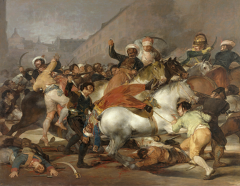
Peninsular War
Wikipedia
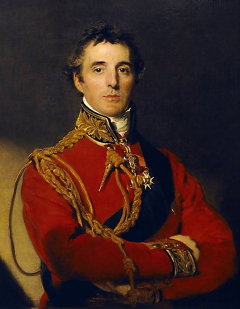
Arthur Wellesley, 1st Duke of Wellington
Wikipedia

Portuguese people
Wikipedia
Military of France
Wikipedia
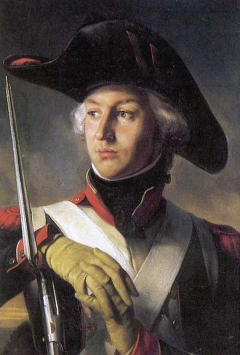
Jean-Andoche Junot
Wikipedia
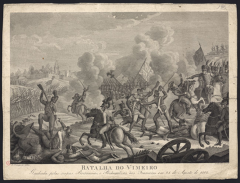
Battle of Vimeiro
Wikipedia

Vimeiro
Wikipedia
French
Wikipedia

Battle of Vimeiro
Wikipedia

United Kingdom of Great Britain and Ireland
Wikipedia

Portuguese people
Wikipedia

Arthur Wellesley, 1st Duke of Wellington
Wikipedia

French Armed Forces
Wikipedia

Jean-Andoche Junot
Wikipedia
Vimeiro
Wikipedia

Peninsular War
Wikipedia

French army's invasion of Portugal
Wikipedia
History of Portugal
Wikipedia

Portuguese Empire
Wikipedia
What Else Happened on August 21
Início do Cerco de Damasco, então uma cidade do Império Bizantino, pelas tropas do Califado Ortodoxo.
Eraclus became the 25th bishop of Liège in 959, taking charge of one of the most powerful ecclesiastical seats in the Lotharingian region — a position that comb…
Song Dynasty general Yue Fei won a decisive victory over Jin Dynasty forces under Wanyan Wuzhu at the Battle of Yancheng. Yue Fei's military brilliance made him…
Black African soldiers in the Fatimid army, joined by Egyptian emirs and commoners, revolted against Saladin on August 21, 1169. This uprising forced Saladin to…
Minamoto no Yoritomo seized the title of Sei-i Taishōgun, establishing the Kamakura shogunate and shifting Japan's political center from Kyoto to the military c…

Minamoto no Yoritomo's appointment as Seii Tai Shogun in 1192 created Japan's first military government — the Kamakura shogunate. Real power shifted from the im…
Talk to History
Have a conversation with historical figures who witnessed this era. Ask questions, explore perspectives, and bring history to life.