

First Dáil Meets in Dublin: Ireland Declares Independence
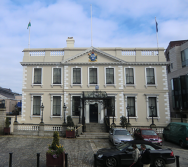
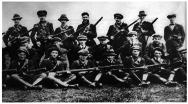
A wooden chair. A packed room. Thirty-five men gathered in Dublin's Mansion House, declaring Ireland's right to self-governance while British soldiers patrolled outside. And they didn't just talk — they drafted a constitution that would become the heartbeat of Irish independence. Within hours, they'd transformed a meeting into a radical act. Meanwhile, in Tipperary, the first shots of the Irish War of Independence crackled through Sologhead Beg, turning political rhetoric into armed resistance. One document. One skirmish. The birth of a nation.
January 21, 1919
107 years ago
Key Figures & Places


What Else Happened on January 21
Ibrahim's rebellion burned bright—and brief. Just months after launching his challenge to Abbasid authority, he lay dead on the dusty battlefield near Kufa, his…
Blood pooled in the dusty plains outside Kufa. The Alid rebellion—led by Muhammad ibn Abdullah—had gambled everything on this moment. But the Abbasid caliphate'…
Im Frieden von Gisors akzeptiert der englische König Heinrich II. den Verlust des Gebietes von Berry an den französischen König Philipp II.
Philip II of France and Richard I of England set aside their bitter territorial rivalries to mobilize their armies for the Third Crusade. This uneasy alliance r…
élection du pape Innocent V.
tropas aragonesas conquistan la isla de Menorca, en manos de los musulmanes.
Talk to History
Have a conversation with historical figures who witnessed this era. Ask questions, explore perspectives, and bring history to life.