

India Gains Independence: The World's Largest Democracy Is Born
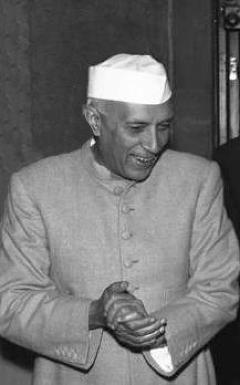
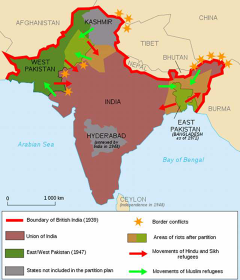
The British Parliament passed the Indian Independence Act, instantly splitting British India into two new dominions: Pakistan on August 14 and India on August 15. This legislative move by Prime Minister Clement Attlee and Viceroy Lord Mountbatten ended nearly two centuries of direct colonial rule, driving millions to cross newly drawn borders during a chaotic mass migration that reshaped the region's demographics forever.
August 15, 1947
79 years ago
Key Figures & Places
What Else Happened on August 15
Rashidun forces engaged the Byzantine Empire in a grueling six-day struggle near the Yarmouk River, shattering Byzantine control over the Levant. This decisive …
Maslamah ibn Abd al-Malik launched the Second Arab Siege of Constantinople, encircling the city with a massive land and naval force. This year-long blockade tes…
The Second Arab Siege of Constantinople collapsed in 718 AD after a year of brutal fighting. Byzantine defenders used Greek fire — an incendiary weapon whose ex…
Carloman, who had co-ruled the Frankish Kingdom with his brother Pepin the Short, abruptly renounced power in 747 AD and entered a monastery near Rome. His with…
Basque tribes ambushed Charlemagne’s rearguard in the Pyrenees, slaughtering his commanders, including the Frankish hero Roland. This tactical defeat halted Cha…
Basque forces ambushed Charlemagne's rearguard at Roncevaux Pass in the Pyrenees, killing several Frankish nobles including Roland, the Warden of the Breton Mar…
Talk to History
Have a conversation with historical figures who witnessed this era. Ask questions, explore perspectives, and bring history to life.