Macbeth Falls: Scottish King Killed at Lumphanan
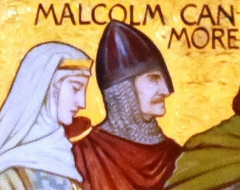
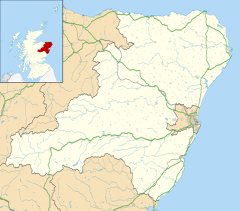
King Macbeth of Scotland fell in battle at Lumphanan on August 15, 1057, killed by forces loyal to Malcolm Canmore, the son of the king Macbeth had overthrown seventeen years earlier. Shakespeare would later transform this historical figure into literature's most famous murderer, but the real Macbeth was a competent and relatively successful king whose reign was far less bloody than the play suggests. Macbeth mac Findlaich became King of Scots in 1040 after killing Duncan I in battle near Elgin, not in a bedroom as Shakespeare dramatized. Duncan had been a young, aggressive king whose military campaigns had ended in humiliating failure, and Macbeth's claim to the throne through his wife Gruoch's royal lineage was at least as strong as Duncan's. In the political culture of 11th-century Scotland, killing a failed king in battle was an accepted method of succession, not an act of treachery. Macbeth's seventeen-year reign was notably stable by Scottish standards. He was secure enough to make a pilgrimage to Rome in 1050, during which he reportedly "scattered money like seed" to the poor. The Anglo-Saxon Chronicle records no major conflicts during most of his rule, and he appears to have maintained effective control over a kingdom that stretched from the Highlands to the Lowlands. He was the last Scottish king to rule from the traditional Gaelic power base of Moray. Malcolm Canmore, Duncan's son, had been living in exile at the English court of Edward the Confessor, who provided military support for Malcolm's invasion. Macbeth was defeated at the Battle of Lumphanan in Aberdeenshire, though whether he died on the field or from wounds sustained there remains unclear. His stepson Lulach briefly succeeded him before Malcolm killed him as well. Shakespeare's version, written for King James I of England (who claimed descent from Malcolm), reshaped Macbeth from a legitimate medieval king into a cautionary tale about ambition, guilt, and tyranny.
August 15, 1057
969 years ago
Key Figures & Places
What Else Happened on August 15
Rashidun forces engaged the Byzantine Empire in a grueling six-day struggle near the Yarmouk River, shattering Byzantine control over the Levant. This decisive …
Maslamah ibn Abd al-Malik launched the Second Arab Siege of Constantinople, encircling the city with a massive land and naval force. This year-long blockade tes…
The Second Arab Siege of Constantinople collapsed in 718 AD after a year of brutal fighting. Byzantine defenders used Greek fire — an incendiary weapon whose ex…
Carloman, who had co-ruled the Frankish Kingdom with his brother Pepin the Short as joint mayors of the palace, abruptly renounced his position and retired to a…
Basque forces ambushed Charlemagne's rearguard at Roncevaux Pass in the Pyrenees, killing several Frankish nobles including Roland, the Warden of the Breton Mar…
Basque tribes ambushed Charlemagne’s rearguard in the Pyrenees, slaughtering his commanders, including the Frankish hero Roland. This tactical defeat halted Cha…
Talk to History
Have a conversation with historical figures who witnessed this era. Ask questions, explore perspectives, and bring history to life.