

Babe Ruth Hits Career Home Run 500
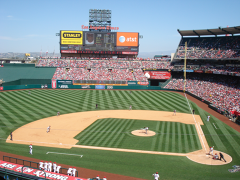
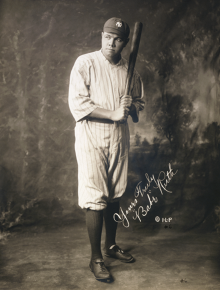
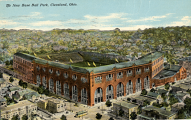
Babe Ruth smashed his 500th career home run at League Park in Cleveland, instantly setting a statistical benchmark that defined power hitting for generations. This feat transformed the home run from a novelty into the central pillar of baseball strategy, shifting how teams built their lineups and how fans watched the game.
August 11, 1929
97 years ago
Key Figures & Places




What Else Happened on August 11

The Mesoamerican Long Count calendar begins on a date corresponding to August 11, 3114 BCE in the Gregorian calendar. The Maya didn't choose this date at random…
Hayk the Great struck down the Babylonian tyrant Bel with a single arrow, shattering his army and securing the independence of the Armenian people. This victory…

The Battle of Artemisium in 480 BCE lasted three days and ended in a draw that got called a Persian victory. The Greek fleet absorbed punishment, gave some back…
Emperor Trajan formally annexed Dacia as a Roman province, securing the empire's control over the region's vast gold and silver mines. This conquest brought the…
Hadrian assumed control of the Roman Empire following Trajan’s death, inheriting a state stretched to its geographic limits by his predecessor’s conquests. He i…
Claudius Silvanus seized the imperial purple in Cologne after a campaign of slander by his rivals forced his hand against Constantius II. This desperate rebelli…
Talk to History
Have a conversation with historical figures who witnessed this era. Ask questions, explore perspectives, and bring history to life.