

Royal Greenwich Observatory Founded: Setting the World's Time
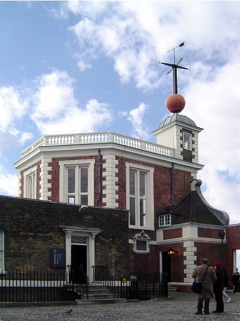
Britain laid the foundation stone for the Royal Greenwich Observatory to anchor its maritime navigation and global trade dominance through precise timekeeping. This institution established Greenwich Mean Time as the world's standard, allowing ships to calculate longitude accurately and secure British naval supremacy for centuries.
August 10, 1675
351 years ago
Key Figures & Places


What Else Happened on August 10
la capital del Imperio asirio, Nínive, cae a manos de los babilonios y los medos.
Nineveh fell in 612 BCE. The Assyrian Empire had been the most powerful military machine in the ancient Near East for centuries — they used mass deportations, s…
The Prophet Muhammad received his first revelation from the angel Jibril within the cave of Hira, initiating the descent of the Qur'an. This night, known as Lay…
Pope Eugene I was elected in 654 while his predecessor Martinus I was still alive in exile — arrested by the Byzantine Emperor for opposing imperial theology. E…
se firma el Tratado de Verdún, que dividió al poderoso imperio Carolingio de Carlomagno entre sus tres nietos y finalizó la guerra civil carolingia.

The Battle of Lechfeld in 955 ended fifty years of Magyar raids into Western Europe. Otto I of Germany met a Magyar force on the Lech River with a cavalry charg…
Talk to History
Have a conversation with historical figures who witnessed this era. Ask questions, explore perspectives, and bring history to life.