

Nixon Resigns: First US President to Quit
Richard Nixon resigned under the weight of the Watergate scandal, making him the first U.S. president to step down from office. Gerald Ford immediately ascended to the presidency, triggering a constitutional crisis that forced the nation to confront the limits of executive power and the fragility of its democratic institutions.
August 9, 1974
52 years ago
Key Figures & Places
President of the United States
Wikipedia
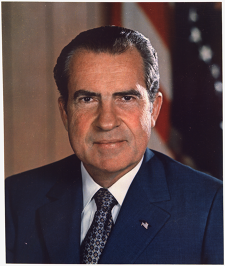
Richard Nixon
Wikipedia
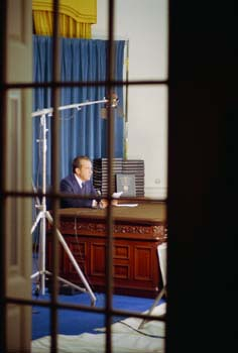
Watergate scandal
Wikipedia
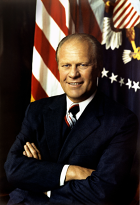
Gerald Ford
Wikipedia
Vice President of the United States of America
Wikipedia

Watergate scandal
Wikipedia

Richard Nixon
Wikipedia

Vice President of the United States
Wikipedia

Gerald Ford
Wikipedia

United States
Wikipedia
President
Wikipedia

Nuclear weapon
Wikipedia

Fat Man
Wikipedia

Nagasaki
Wikipedia
What Else Happened on August 9

Julius Caesar met Pompey at Pharsalus in August 48 BC, and it was over in hours. Pompey had the larger army. Caesar had positioned himself on lower ground, whic…
la revuelta judía contra los romanos provoca que el general Tito, posterior emperador, saquee la ciudad. El segundo templo fue completamente destruido por el fu…

Visigoth cavalry encircled and annihilated a massive Roman army at Adrianople, killing Emperor Valens and over half his troops in the deadliest Roman military d…
les Bulgares d’Asparoukh fondent la Bulgarie du Danube, en tant que khanat, à la suite de la défaite de l’empereur byzantin Constantin IV, au sud du delta du Da…

Bulgaria was founded as a Khanate in 681 AD after Khan Asparuh's forces defeated the Byzantine army near the Danube delta. Emperor Constantine IV recognized the…
المُعْتَصِم بالله يخلف أخاهُ المأمُون في الخِلافة العبَّاسِيَّة بسبب وفاته ويُصبح ثامن خلفاء الدولة.
Talk to History
Have a conversation with historical figures who witnessed this era. Ask questions, explore perspectives, and bring history to life.