

Nagasaki Bombed: Second Atomic Bomb Dropped, Japan Surrenders Days Later
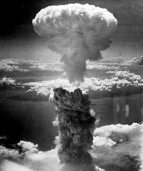
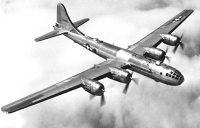
A cloud-shrouded Kokura forced Major Charles Sweeney to divert Bockscar to Nagasaki, where a desperate radar drop on the Urakami Valley triggered the second and final nuclear detonation in combat. This strike obliterated 68 to 80 percent of the city's non-dock industrial output and killed roughly 39,000 to 80,000 people, including nearly all Mitsubishi Munitions employees, while the valley's uneven terrain paradoxically limited the blast radius compared to Hiroshima.
August 9, 1945
81 years ago
Key Figures & Places



What Else Happened on August 9

Julius Caesar met Pompey at Pharsalus in August 48 BC, and it was over in hours. Pompey had the larger army. Caesar had positioned himself on lower ground, whic…
la revuelta judía contra los romanos provoca que el general Tito, posterior emperador, saquee la ciudad. El segundo templo fue completamente destruido por el fu…

Visigoth cavalry encircled and annihilated a massive Roman army at Adrianople, killing Emperor Valens and over half his troops in the deadliest Roman military d…
les Bulgares d’Asparoukh fondent la Bulgarie du Danube, en tant que khanat, à la suite de la défaite de l’empereur byzantin Constantin IV, au sud du delta du Da…

Bulgaria was founded as a Khanate in 681 AD after Khan Asparuh's forces defeated the Byzantine army near the Danube delta. Emperor Constantine IV recognized the…
المُعْتَصِم بالله يخلف أخاهُ المأمُون في الخِلافة العبَّاسِيَّة بسبب وفاته ويُصبح ثامن خلفاء الدولة.
Talk to History
Have a conversation with historical figures who witnessed this era. Ask questions, explore perspectives, and bring history to life.