

Gandhi Arrested: Quit India Movement Erupts
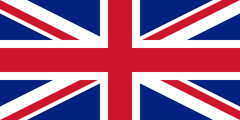
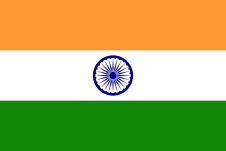
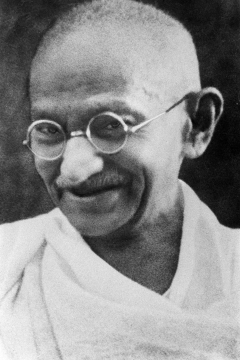
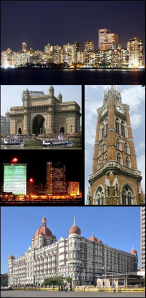
British authorities arrested Mahatma Gandhi at dawn in Bombay on August 9, 1942, triggering the largest mass uprising in India since the Rebellion of 1857. The arrest came just hours after the All-India Congress Committee passed the "Quit India" resolution demanding an immediate end to British rule. Gandhi's instructions to the Indian people — "Do or Die" — launched a movement that proved impossible to fully suppress despite two years of martial law, mass arrests, and military force. The timing of the resolution reflected wartime desperation. Japan had conquered Burma and was threatening India's eastern border. The fall of Singapore in February 1942 had shattered the myth of British imperial invincibility, and many Indians questioned why they should sacrifice for an empire that denied them self-governance. Gandhi argued that a free India would be a more effective ally against Japan than a colonized one. The British, fighting for their survival against the Axis powers, saw the movement as a betrayal during wartime. The crackdown was swift and brutal. Within hours of Gandhi's arrest, the entire Congress leadership was imprisoned. Authorities banned the Congress party, censored the press, and deployed troops to suppress demonstrations. Without centralized leadership, the movement became spontaneous and widespread: workers went on strike, students boycotted schools, peasants refused to pay taxes, and saboteurs cut telegraph lines and damaged railway tracks. The British arrested over 100,000 people and killed an estimated 1,000 to 3,000 civilians in suppressing the uprising. Gandhi was imprisoned at the Aga Khan Palace in Pune, where his wife Kasturba and his secretary Mahadev Desai both died during confinement. He was not released until May 1944. The Quit India movement failed to achieve immediate independence, but it demonstrated that British control over India depended on a level of coercion the empire could no longer sustain. Within five years, Britain withdrew, and India became independent on August 15, 1947.
August 9, 1942
84 years ago
Key Figures & Places

What Else Happened on August 9
Julius Caesar met Pompey at Pharsalus in August 48 BC, and it was over in hours. Pompey had the larger army. Caesar had positioned himself on lower ground, whic…
Visigoth cavalry encircled and destroyed a massive Roman army at Adrianople, killing Emperor Valens and more than half his troops in the worst Roman military de…
Bulgaria was founded as a Khanate in 681 AD after Khan Asparuh's forces defeated the Byzantine army near the Danube delta. Emperor Constantine IV recognized the…
Pope Damasus II died in Rome just 23 days after his consecration, likely from malaria contracted during his journey to the city. His sudden passing left the pap…
Construction began on the campanile of the Cathedral of Pisa in 1173, launching a building project that would take nearly two centuries to complete. The tower b…
Quilon was designated as the first Indian Christian diocese in 1329 by Pope John XXII, with the French Dominican friar Jordanus of Sévérac appointed bishop. Chr…
Talk to History
Have a conversation with historical figures who witnessed this era. Ask questions, explore perspectives, and bring history to life.