Voting Rights Act Signed: Racial Barriers Fall
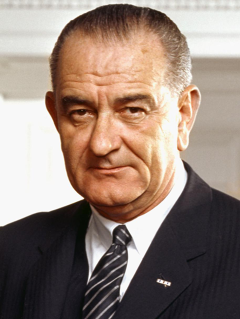
Cameras captured the blood on John Lewis's skull at the Edmund Pettus Bridge in Selma, Alabama, and five months later the law that beating was meant to prevent landed on President Johnson's desk. On August 6, 1965, Lyndon Johnson signed the Voting Rights Act in the President's Room of the Capitol, the same room where Abraham Lincoln had signed a bill freeing slaves pressed into Confederate military service 104 years earlier. The location was deliberate. So was the timing. The Act was the most powerful piece of civil rights legislation in American history, and it targeted a specific problem with surgical precision: the systematic disenfranchisement of Black voters in the South. Despite the Fifteenth Amendment's guarantee of voting rights regardless of race, Southern states had spent ninety years erecting barriers — literacy tests, poll taxes, grandfather clauses, white-only primaries, and outright violence — that reduced Black voter registration to single digits in many counties. In Mississippi, fewer than 7 percent of eligible Black citizens were registered to vote in 1964. The Act banned literacy tests and other discriminatory voting practices outright. Its most powerful provision, Section 5, required states and counties with histories of discrimination to obtain federal approval before changing any voting law or procedure. Federal registrars could be sent to counties that resisted. The effect was immediate and dramatic: within months, Black voter registration in the Deep South surged. In Mississippi alone, registration jumped from 7 percent to nearly 60 percent within three years. Johnson understood the political cost. He reportedly told an aide that by signing the Act, the Democratic Party had "lost the South for a generation." He was right, and the realignment he predicted has now lasted far longer than a generation. But the Act transformed American democracy more profoundly than any legislation since the Reconstruction Amendments, bringing millions of citizens into the political process for the first time in their lives.
August 6, 1965
61 years ago
Key Figures & Places
What Else Happened on August 6
Ibrahim ibn al-Ashtar's pro-Alid forces crushed the Umayyad army at the Battle of Khazir in 686, killing the commander Ubayd Allah ibn Ziyad and shattering Umay…
Genoese galleys crushed the Pisan fleet off the Meloria shoals, capturing thousands of sailors and sinking the pride of the Pisan navy. This decisive naval coll…
Lithuanian forces crushed the Crimean Khanate’s raiding army at the Battle of Kletsk, halting a massive incursion into the Grand Duchy’s southern territories. T…
Gonzalo Jiménez de Quesada established Bogotá on the high Andean plateau, securing a permanent Spanish foothold in the interior of modern-day Colombia. This set…
Toyotomi Hideyoshi was appointed kampaku — Imperial Regent — in 1585, formalizing his status as the de facto ruler of Japan after he had already unified most of…
Portugal and the Dutch Republic signed the Treaty of The Hague, ending decades of colonial conflict over Brazil and Africa. By ceding New Holland to the Portugu…
Talk to History
Have a conversation with historical figures who witnessed this era. Ask questions, explore perspectives, and bring history to life.