

Hiroshima Bombed: The First Atomic Weapon Kills 80,000 Instantly
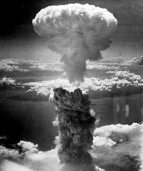
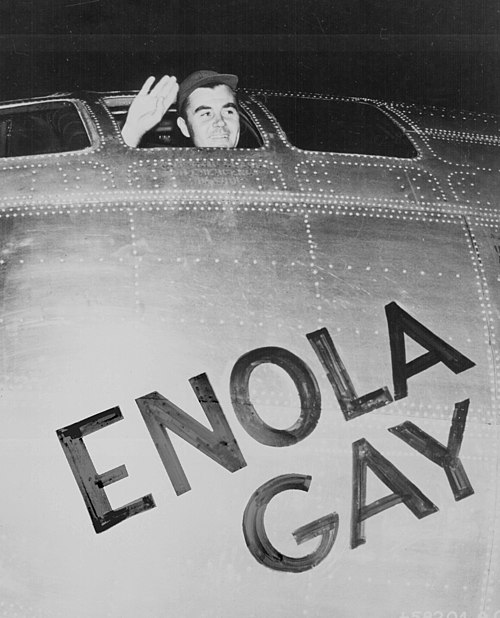
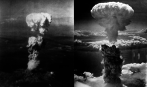
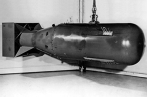
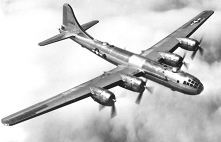
The Enola Gay dropped Little Boy over Hiroshima at 8:15 a.m., detonating 1,900 feet above the city and instantly killing roughly 30% of its population while leveling four square miles of urban area. This single strike forced Japan's surrender within days, ending World War II but inaugurating an era where human survival hinged on nuclear deterrence rather than conventional armies.
August 6, 1945
81 years ago
Key Figures & Places

What Else Happened on August 6
En la actual España, la ciudad celtíbera de Numancia es tomada por los romanos, al mando de Escipión Emiliano, tras un largo asedio. Los habitantes deciden come…
Der Tempeldienst im Jerusalemer Tempel kann infolge des Jüdischen Krieges nicht mehr durchgeführt werden. Damit endet der etwa tausendjährige auf den Tempel aus…
الإمبراطورية الرومانية تفرض حصاراً على بيتار لتقضي على ثورة بار كوخبا.
Ibrahim ibn al-Ashtar's pro-Alid forces crush Ummayad troops at Khazir, shattering their military dominance and triggering a temporary retreat from Iraq. This d…
sacre de Louis VIII et Blanche de Castille à Reims.
Genoese galleys crushed the Pisan fleet off the Meloria shoals, capturing thousands of sailors and sinking the pride of the Pisan navy. This decisive naval coll…
Talk to History
Have a conversation with historical figures who witnessed this era. Ask questions, explore perspectives, and bring history to life.