

First US Income Tax: Civil War Needs Funding
The U.S. government imposed a 3% tax on incomes exceeding $800 to fund the Civil War effort through the Revenue Act of 1861. This bold fiscal move established the federal income tax as a permanent tool for national finance, even though Congress rescinded it in 1872 after the conflict ended.
August 5, 1861
165 years ago
Key Figures & Places

American Civil War
Wikipedia
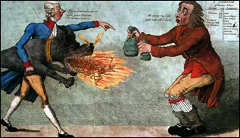
income tax
Wikipedia
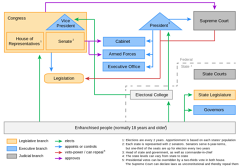
Federal government of the United States
Wikipedia
United States government
Wikipedia
1872
Wikipedia
Revenue Act of 1861
Wikipedia

American Civil War
Wikipedia

Federal government of the United States
Wikipedia
Income tax
Wikipedia
Revenue Act of 1861
Wikipedia
1872
Wikipedia
What Else Happened on August 5
In der Schlacht bei Leuktra bezwingt Theben Sparta und steigt in der Folge zum griechischen Hegemon auf.
Guangwu claimed the imperial throne and restored the Han dynasty after the chaotic collapse of Wang Mang's short-lived Xin regime. His military campaigns reunif…
Roman soldiers extinguished the fires still burning from the destruction of the Second Temple in Jerusalem in 70 AD, five days after Titus's legions breached th…
Os incêndios resultantes da destruição do Segundo Templo de Jerusalém são extintos.
Exércitos romanos entram em Betar, matando milhares e acabando com a Revolta de Barcoquebas.
Penda of Mercia crushed the Northumbrian forces at the Battle of Maserfield, killing King Oswald and dismembering his body as a gruesome display of pagan domina…
Talk to History
Have a conversation with historical figures who witnessed this era. Ask questions, explore perspectives, and bring history to life.