

Britain Declares War on Germany: WWI Goes Global
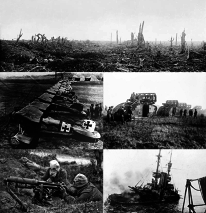
Germany's invasion of Belgium forces Britain to declare war on Berlin while the United States immediately pledges neutrality. This sequence shatters European diplomatic stability and drags a global power into a conflict that will redefine borders for decades.
August 4, 1914
112 years ago
Key Figures & Places
United States
Wikipedia
United Kingdom
Wikipedia
Germany
Wikipedia
World War I
Wikipedia
Belgium
Wikipedia
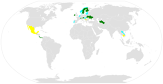
Neutral country
Wikipedia

World War I
Wikipedia

German invasion of Belgium
Wikipedia

British Empire
Wikipedia

Cairo
Wikipedia

Afrique orientale allemande
Wikipedia

Middle East
Wikipedia

Claude Fournier (soldat)
Wikipedia

Jardinier
Wikipedia

History of Belgium
Wikipedia
Geschichte des Vereinigten Königreichs von Großbritannien und Irland
Wikipedia

France
Wikipedia

German Empire
Wikipedia

Belgium
Wikipedia

United Kingdom of Great Britain and Ireland
Wikipedia

National Constituent Assembly
Wikipedia

Feudalismo
Wikipedia
What Else Happened on August 4
Roman legions under Titus leveled the Second Temple in Jerusalem, ending the Great Jewish Revolt. This catastrophe forced Judaism to transition from a centraliz…
Valentinian I elevated his eight-year-old son Gratian to the rank of co-Augustus, formalizing a dynastic succession plan to secure the stability of the Western …
Graciano recebe o título de Augusto no governo de seu pai, Valentiniano I.
Emperor Wendi of Sui launched a massive invasion of Goguryeo (Korea) during the Manchurian monsoon season, sending his youngest son Yang Liang with a combined a…
a la muerte de Muhammad I, su hijo Al-Mundir es nombrado en Córdoba sexto emir omeya.
en la península italiana, las tropas pisanas atacan la ciudad de Amalfi.
Talk to History
Have a conversation with historical figures who witnessed this era. Ask questions, explore perspectives, and bring history to life.