Nautilus Under the Pole: Nuclear Sub Conquers Arctic
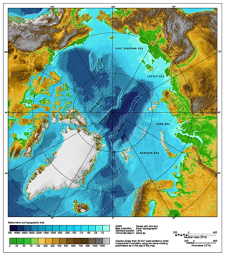
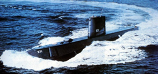
Ninety miles of Arctic ice separated the USS Nautilus from a place no vessel had ever reached. On August 3, 1958, at 11:15 p.m. Eastern time, the nuclear-powered submarine crossed the geographic North Pole while cruising 400 feet beneath the polar ice cap, completing a transit that had been considered impossible just years earlier. Commander William Anderson's message to the Navy was succinct: "Nautilus 90 North." The mission, codenamed Operation Sunshine, was born from Cold War urgency rather than pure exploration. The Soviet launch of Sputnik in October 1957 had demonstrated ICBM capability, and President Eisenhower needed to prove that America's submarine-launched ballistic missile program was credible. A polar transit would show that U.S. submarines could operate beneath the Arctic ice, opening an entirely new dimension of nuclear deterrence by making submarine positions virtually undetectable. Navigation under the ice was extraordinarily difficult. Above 85 degrees north latitude, both magnetic compasses and standard gyrocompasses become unreliable. The Navy installed a specially built Sperry Rand inertial navigation gyroscope shortly before departure. The most dangerous portion of the journey was the Bering Strait, where ice extended as deep as 60 feet below the surface with limited clearance above the shallow seabed. An initial attempt in June had been turned back by ice too thick to pass beneath. The crew called the second attempt through a narrow channel near Alaska "longitude roulette." The successful crossing electrified the public and alarmed the Soviets. Nautilus had demonstrated that nuclear submarines could transit between the Pacific and Atlantic oceans via the Arctic, bypassing conventional chokepoints entirely. The voyage earned Anderson and his crew the Presidential Unit Citation and proved that the nuclear submarine had transformed naval warfare as completely as the aircraft carrier had a generation before.
August 3, 1958
68 years ago
Key Figures & Places
What Else Happened on August 3
Tiberius crushed the Dalmatae resistance along the river Bathinus, ending the three-year Great Illyrian Revolt. This victory secured the Roman Empire’s Balkan f…
Emperor Theodosius II banished the deposed Patriarch Nestorius to a remote Egyptian monastery, enforcing the Council of Ephesus's condemnation of his Christolog…
Louis III of France crushed a Viking raiding force at Saucourt-en-Vimeu, a victory so celebrated that court poets immortalized it in the Ludwigslied, one of the…
Hungarian cavalry shattered the East Frankish lines at the Battle of Eisenach on August 3, 908, killing Duke Burchard of Thuringia and overrunning his defensive…
Bishop Grimketel canonized Olaf II of Norway, elevating the fallen king to sainthood just a year after his death at the Battle of Stiklestad. This formal recogn…
Frederick of Lorraine became pope in 1057, taking the name Stephen IX, and immediately pushed church reform with a zeal that rattled the Roman aristocracy. He b…
Talk to History
Have a conversation with historical figures who witnessed this era. Ask questions, explore perspectives, and bring history to life.