

Calvin Coolidge Becomes President After Harding's Death
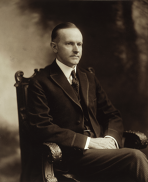
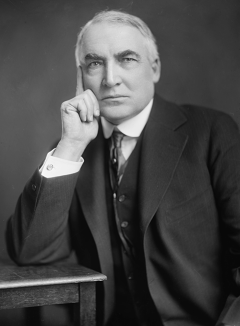
Warren Harding died in a San Francisco hotel room on August 2, 1923. By the time his body arrived in Washington two days later, his Vice President Calvin Coolidge had already been sworn in, in a farmhouse in Vermont, by his own father, who was a notary public. Coolidge went back to sleep. Harding's administration was unraveling — the Teapot Dome scandal was still breaking. Coolidge inherited the mess and emerged from it with his reputation largely intact. Silent Cal. The mess was Harding's.
August 3, 1923
103 years ago
Key Figures & Places
What Else Happened on August 3
los habitantes de Manduria ―villa ubicada en el lado interno del taco de la «bota» italiana― vencen a las fuerzas invasoras espartanas del rey Arquidamo II en l…
Tiberius crushed the Dalmatae resistance along the river Bathinus, ending the three-year Great Illyrian Revolt. This victory secured the Roman Empire’s Balkan f…
É extinto o incêndio resultante da destruição do Segundo Templo em Jerusalém.
Kaiser Mark Aurel und sein Sohn Commodus brechen von Rom aus zum zweiten Markomannenkrieg auf.

Emperor Theodosius II banished the deposed Patriarch Nestorius to a remote Egyptian monastery, enforcing the Council of Ephesus's condemnation of his Christolog…
In Ephesos wird die von Papst Leo I. als Räubersynode bezeichnete Kirchenversammlung eröffnet. Auf ihr wird gewaltsam versucht, den Monophysitismus durchzusetze…
Talk to History
Have a conversation with historical figures who witnessed this era. Ask questions, explore perspectives, and bring history to life.