

Columbus Sets Sail from Spain: Three Ships Head West
Christopher Columbus departs Palos de la Frontera with three ships, launching a voyage that permanently links the Americas to Europe and triggers a massive exchange of plants, animals, and diseases. This departure ignites centuries of colonization and fundamentally reshapes global demographics and economies.
August 3, 1492
534 years ago
Key Figures & Places
Spain
Wikipedia
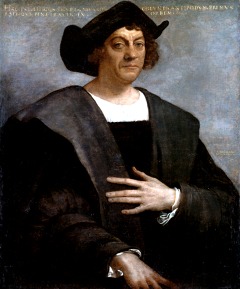
Christopher Columbus
Wikipedia
Palos de la Frontera
Wikipedia

Christopher Columbus
Wikipedia
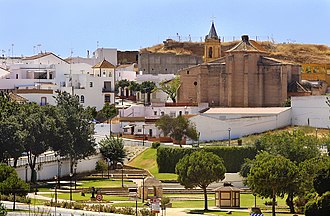
Palos de la Frontera
Wikipedia

Spain
Wikipedia

Catholic Monarchs of Spain
Wikipedia

Alhambra Decree
Wikipedia

East Indies
Wikipedia

Americas
Wikipedia

Santa Maria
Wikipedia

Niña (ship)
Wikipedia

La Pinta
Wikipedia

first expedition
Wikipedia
What Else Happened on August 3
los habitantes de Manduria ―villa ubicada en el lado interno del taco de la «bota» italiana― vencen a las fuerzas invasoras espartanas del rey Arquidamo II en l…
Tiberius crushed the Dalmatae resistance along the river Bathinus, ending the three-year Great Illyrian Revolt. This victory secured the Roman Empire’s Balkan f…
É extinto o incêndio resultante da destruição do Segundo Templo em Jerusalém.
Kaiser Mark Aurel und sein Sohn Commodus brechen von Rom aus zum zweiten Markomannenkrieg auf.

Emperor Theodosius II banished the deposed Patriarch Nestorius to a remote Egyptian monastery, enforcing the Council of Ephesus's condemnation of his Christolog…
In Ephesos wird die von Papst Leo I. als Räubersynode bezeichnete Kirchenversammlung eröffnet. Auf ihr wird gewaltsam versucht, den Monophysitismus durchzusetze…
Talk to History
Have a conversation with historical figures who witnessed this era. Ask questions, explore perspectives, and bring history to life.