

Einstein Writes to FDR: Build the Bomb Before Hitler Does
Albert Einstein and Leó Szilárd sent a stark warning to President Franklin D. Roosevelt about Nazi Germany's potential atomic capabilities, directly triggering the launch of the Manhattan Project. This urgent correspondence set in motion a massive industrial effort that produced the first nuclear weapons and fundamentally altered the trajectory of global warfare and geopolitics.
August 2, 1939
87 years ago
Key Figures & Places

Franklin D. Roosevelt
Wikipedia
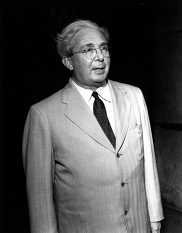
Leó Szilárd
Wikipedia
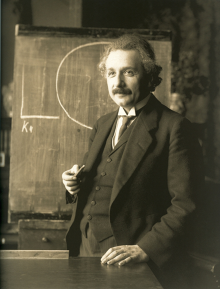
Albert Einstein
Wikipedia
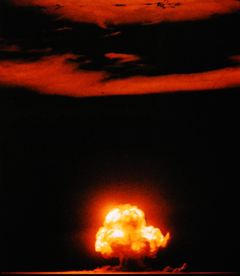
Manhattan Project
Wikipedia

Albert Einstein
Wikipedia

Leo Szilard
Wikipedia

Einstein–Szilard letter
Wikipedia

Franklin D. Roosevelt
Wikipedia

Manhattan Project
Wikipedia

Zeit des Nationalsozialismus
Wikipedia

Nuclear weapon
Wikipedia
President
Wikipedia
What Else Happened on August 2
Philip II of Macedon didn't just beat Athens and Thebes at Chaeronea — he had his eighteen-year-old son lead the cavalry charge that broke the Theban Sacred Ban…
Hannibal's Carthaginian forces encircle and annihilate a vastly larger Roman army at Cannae, shattering Rome's military confidence for decades. This catastrophi…

Cannae was Rome's worst military defeat. Hannibal had 45,000 soldiers. Rome had 87,000. Hannibal surrounded them all. By nightfall, somewhere between 50,000 and…
Caesar crushes Pompey's generals Afranius and Petreius at Ilerda after marching his legions through Spain earlier that year. This victory secures his southern f…
en la ciudad de Iajchilán, a orillas del río Usumacinta (actual frontera entre México y Guatemala) en la península de Yucatán, se convierte en rey el maya Iat-B…
The barbarian general Ricimer deposed Emperor Majorian near Tortona and had him executed five days later, eliminating the last Western Roman emperor who serious…
Talk to History
Have a conversation with historical figures who witnessed this era. Ask questions, explore perspectives, and bring history to life.