

Ranger 7 Photographs the Moon: 1,000x Closer
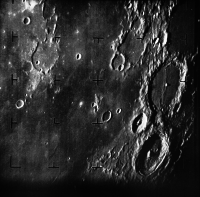
Ranger 7 crashed into the Moon's Sea of Clouds on July 31, 1964, exactly as planned, but in its final seventeen minutes of existence, its six television cameras transmitted 4,316 photographs that transformed humanity's understanding of the lunar surface. The images were one thousand times sharper than anything achievable through Earth-based telescopes, and they showed a world of unexpected detail. NASA had desperately needed this success. The Ranger program's record was dismal: Rangers 1 through 6 had all failed, victims of launch malfunctions, guidance errors, and camera failures that earned the program the grim nickname "shoot and hope." Congressional hearings questioned whether the space agency was capable of managing complex missions, and some legislators advocated canceling the program entirely. Ranger 7 was effectively NASA's last chance to prove the concept of unmanned lunar reconnaissance. The spacecraft launched from Cape Kennedy on July 28 aboard an Atlas-Agena rocket and traveled for 68 hours before beginning its terminal approach. Unlike orbiters, Ranger probes were designed as suicide missions: they would fly straight into the Moon at 5,800 miles per hour, photographing continuously until impact destroyed them. The final image, taken 1,500 feet above the surface, revealed features as small as 20 inches across. The photographs answered one of the most pressing questions facing the Apollo program. Some scientists had theorized that the lunar surface was covered in deep, fine dust that would swallow any spacecraft attempting to land. Ranger 7's images showed a surface that was rocky and cratered but fundamentally solid, clearing a critical engineering hurdle for the manned missions that would follow five years later. The success revived the Ranger program and vindicated NASA's unmanned exploration strategy. Rangers 8 and 9 followed with equally successful missions in 1965, and the data directly informed the site selection for the Apollo 11 landing in the Sea of Tranquility. Ranger 7 proved that crashing into the Moon on purpose could be one of the most productive things a spacecraft ever did.
July 31, 1964
62 years ago
Key Figures & Places


What Else Happened on July 31

Mark Antony led a cavalry charge out of Alexandria on July 31, 30 BC, and routed Octavian's horsemen in what would be the last Roman victory he ever won. By nig…
Ash rained down on the surrounding plains as Mount Fuji erupted for the first time in recorded history. This event established the volcano’s status as an active…
Mount Fuji erupted for the first recorded time, spewing ash and debris that blanketed the surrounding plains. This geological event forced local communities to …
The largest naval raid in Byzantine history arrived with 54 Arab ships commanded by Leo of Tripoli, a Greek convert to Islam who knew exactly which harbor defen…
Pietro Martino Boccapecora took the name Sergius IV when he became pope — but everyone still called him "Pig's Snout" behind his back. His birth name meant exac…
A 300-pound Byzantine nobleman convinced himself he could overthrow Emperor Alexios III by simply showing up at the palace. John Komnenos the Fat—his actual his…
Talk to History
Have a conversation with historical figures who witnessed this era. Ask questions, explore perspectives, and bring history to life.