

USS Indianapolis Sunk: 883 Sailors Die, Many to Sharks
Japanese submarine I-58 sank the USS Indianapolis, leaving only 317 of its 1,196 crew alive after a harrowing week adrift in shark-infested waters. This tragedy forced the U.S. Navy to immediately overhaul its rescue protocols for sunken vessels and exposed the devastating reality that enemy submarines could strike far beyond the front lines.
July 30, 1945
81 years ago
Key Figures & Places
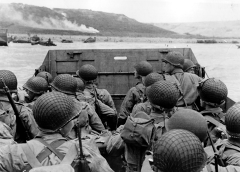
World War II
Wikipedia
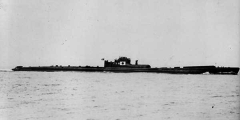
Japanese submarine I-58
Wikipedia
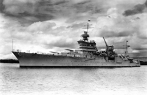
USS Indianapolis (CA-35)
Wikipedia

World War II
Wikipedia

Japanese submarine I-58 (1943)
Wikipedia

USS Indianapolis (CA-35)
Wikipedia

Heavy cruiser
Wikipedia

Clase Portland
Wikipedia
United States Navy
Wikipedia
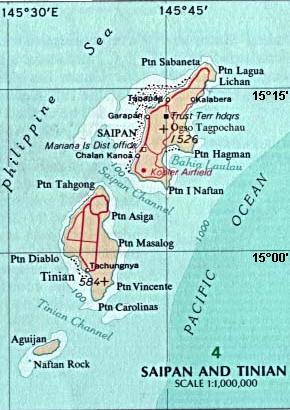
Tinian, Northern Mariana Islands
Wikipedia
Michel Gartner
Wikipedia

Nuclear weapon
Wikipedia
What Else Happened on July 30
bataille de Verceil durant la guerre des Cimbres.
en Hispania se enfrentan los ejércitos romanos de Cneo Pompeyo Magno y Julio César (Batalla de Ilerda).
Theodore commanded 90,000 Byzantine troops against 30,000 Arab cavalry near Beit Shemesh. He lost. The July heat turned the valley into a killing ground—Byzanti…
Der vier Wochen zuvor gewählte Papst Vitalian wird inthronisiert.
Caliph Al-Mansur ordered the construction of Baghdad on the banks of the Tigris, establishing a circular city designed to serve as the administrative heart of t…
en León (España), el rey Alfonso V promulga el Fuero de León.
Talk to History
Have a conversation with historical figures who witnessed this era. Ask questions, explore perspectives, and bring history to life.