

14th Amendment Officially Certified: Equal Protection Under the Law
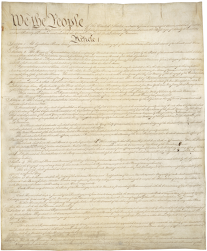
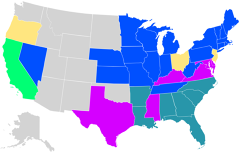
Southern states forced to ratify the Fourteenth Amendment in 1868 regained their congressional representation while surrendering the legal right to deny citizenship to formerly enslaved people. This single clause dismantled the Dred Scott ruling and now anchors landmark rulings from Brown v. Board of Education to Roe v. Wade, fundamentally changing how federal courts review state laws on equality and due process.
July 28, 1868
158 years ago
Key Figures & Places

What Else Happened on July 28
Pépin le Bref est sacré roi des Francs à Saint-Denis par le pape Étienne II.
Die Kreuzfahrer brechen die Belagerung von Damaskus am fünften Tag ab, nachdem bekannt wird, dass Nur ad-Din mit einem Heer heranzieht. Die Uneinigkeit der drei…
en Kyustendil (en el extremo oeste de Bulgaria), el ejército serbio vence al ejército búlgaro en la batalla de Velbazhd.
Florentine forces crushed the Pisan army at the Battle of Cascina, ending Pisa’s territorial ambitions in Tuscany. By securing this victory, Florence consolidat…
se produce el Sitio de Algeciras, con el cual rey Muhammed V del Reino de Granada con el objetivo de recuperar la ciudad de Al-Yazirat Al-Hadra (Algeciras), al …
Timur's cavalry shatters Bayezid I's army at Ankara, capturing the Ottoman Sultan and plunging his realm into a decade-long civil war known as the Interregnum. …
Talk to History
Have a conversation with historical figures who witnessed this era. Ask questions, explore perspectives, and bring history to life.