

Dust Bowl Heat Wave Peaks: 109 F in Chicago
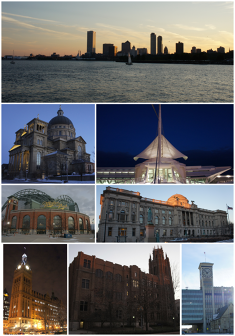
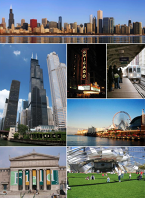
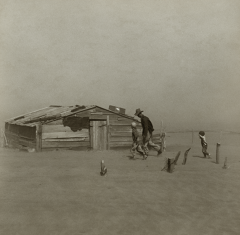
A scorching heat wave peaks across the Midwest, driving temperatures to 109°F in Chicago and 104°F in Milwaukee while dust storms choke the sky. This extreme weather event confirmed the Dust Bowl as a national crisis, driving thousands of families to abandon their farms and migrate westward in search of survival.
July 24, 1935
91 years ago
Key Figures & Places


What Else Happened on July 24
The Ostrogoths fled the Siege of Ariminum when a massive Byzantine fleet appeared unexpectedly, compelling them to abandon their campaign entirely. This sudden …
en la Taifa de Badajoz, Fernando I de León sitia y ocupa la ciudad musulmana de Coímbra (actual Portugal).
Ranulf II of Alife crushed the forces of Roger II of Sicily at the Battle of Nocera, halting the expansion of the Hauteville dynasty into the Italian mainland. …
Louis VII of France launched a desperate siege against Damascus, hoping to secure a Christian stronghold in the Levant. The campaign collapsed within four days …
en Jerusalén, Conrado III y sus tropas son vencidas por las fuerzas de Zengi.
la paz suscrita en Venecia libera a Federico I Barbarroja de la excomunión y pone fin al Cisma eclesiástico.
Talk to History
Have a conversation with historical figures who witnessed this era. Ask questions, explore perspectives, and bring history to life.