

Catalan Unified Socialist Party Founded: Spanish Civil War Factions Form
Four separate parties sat down in Barcelona on July 23, 1936—socialists, communists, worker unionists, Catalan separatists—and walked out as one. The Partit Socialista Unificat de Catalunya formed exactly one week after Franco's coup began. Timing wasn't coincidence. They'd been negotiating for months, getting nowhere. Then fascist troops landed in Andalusia and suddenly ideology mattered less than survival. Within weeks, the PSUC controlled Catalonia's militias, factories, and food supply. The crisis that forced unity also guaranteed they'd fight each other once the crisis passed.
July 23, 1936
90 years ago
Key Figures & Places
Spain
Wikipedia
Communism
Wikipedia
Catalonia
Wikipedia
Unified Socialist Party of Catalonia
Wikipedia
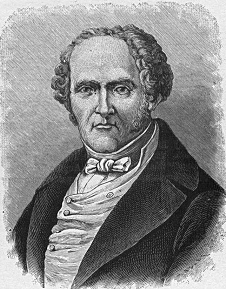
socialists
Wikipedia

Catalonia
Wikipedia

Unified Socialist Party of Catalonia
Wikipedia
Socialism
Wikipedia
Communism
Wikipedia
Suat Derviş
Wikipedia

novelist
Wikipedia

Journalist
Wikipedia

Traducción
Wikipedia

Político
Wikipedia

Feminism
Wikipedia
1904
Wikipedia

1905
Wikipedia

Basile Hopko
Wikipedia

1976
Wikipedia

Beato
Wikipedia

Évêque catholique
Wikipedia

Prešov
Wikipedia

Slovakia
Wikipedia
What Else Happened on July 23
Johannes V. wird Papst; er folgt auf Benedikt II.
مقتل آخر خلفاء الدولة الأموية مروان بن محمد على يد أتباع العباسيين.
Byzantine emperor Nikephoros I sacks Pliska, seizing Khan Krum's treasury in a brutal raid that temporarily crushes Bulgarian resistance. This victory, however,…
Im Zweiten Kreuzzug beginnt die Belagerung von Damaskus durch die vereinigten Heere der Könige Balduin III., Konrad III. und Ludwig VII.
Unter großem Jubel der Bevölkerung kommen die vermeintlichen Reliquien der Heiligen Drei Könige in Köln an.
Friedrich II. wird in Aachen zum zweiten Mal zum römisch-deutschen König gekrönt.
Talk to History
Have a conversation with historical figures who witnessed this era. Ask questions, explore perspectives, and bring history to life.