

Herostratus Burns the Temple of Artemis: He Wanted to Be Famous
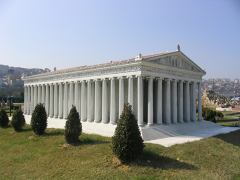
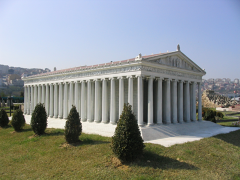
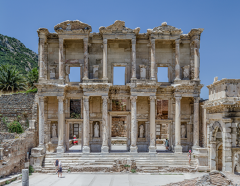
Herostratus burned the Temple of Artemis to immortalize his name through infamy, an act that forced the Ephesians to rebuild the sanctuary with greater grandeur while simultaneously erasing the original structure from history. This destruction ensured that no physical trace of the first Wonder remained, leaving only later accounts and archaeological fragments to testify to its former glory.
July 21, 356 BC
Key Figures & Places
What Else Happened on July 21
sac de Rome (si l'on s'en tient à la date du 18 juillet pour la bataille de l'Allia).
Pontian ascended to the papacy, inheriting a church still navigating the precarious legal status of Christianity within the Roman Empire. His five-year tenure e…
Diocletian elevated his fellow soldier Maximian to the rank of Caesar, splitting the Roman Empire’s administration between East and West. This pragmatic power-s…
A massive earthquake struck Crete with extreme intensity, triggering a catastrophic tsunami that devastated the Mediterranean coastline. The surge obliterated A…
The wave arrived on a summer morning, July 21st, 365 AD. No warning. Alexandria's harbor emptied first—the sea pulled back, exposing shipwrecks and fish floppin…
en Italia, un violento terremoto destruye la villa de Benevento (a 50 km al noreste de Nápoles), provocando la muerte de miles de personas.
Talk to History
Have a conversation with historical figures who witnessed this era. Ask questions, explore perspectives, and bring history to life.