India Censors Press: Reporters Expelled for Defying State Control
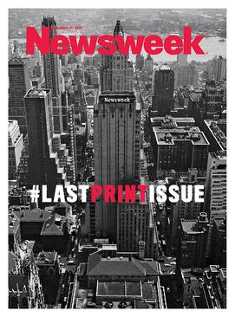
The government form required just one signature. Three foreign correspondents stared at India's new censorship pledge in June 1975. Peter Hazelhurst of The Times, Peter Gill of The Daily Telegraph, and Lewis Simons of Newsweek were told to sign or leave within twenty-four hours. They refused. Prime Minister Indira Gandhi had declared Emergency rule two weeks earlier, suspending civil liberties, jailing 676 political opponents overnight, and placing the domestic press under prior restraint. Foreign correspondents were given a choice that Indian journalists were not: comply or be expelled. Most signed. These three did not. Their departure became front-page news in London and New York, amplifying precisely the coverage Gandhi had tried to suppress. The irony was immediate and devastating — by throwing out the reporters, she guaranteed more hostile coverage than they would have filed had she left them alone. The Emergency lasted twenty-one months, during which the government imprisoned tens of thousands without trial, forcibly sterilized millions of men as part of Sanjay Gandhi's population control campaign, and bulldozed slum neighborhoods in Delhi to make way for beautification projects. The censored Indian press reported none of this. Domestic editors received daily directives specifying what could and could not be printed, and most complied without resistance, a capitulation that Indian journalism spent decades reckoning with. International coverage, intensified by the expulsions, filled the gap. The BBC's Mark Tully remained in India and found ways to report around the restrictions, developing sources inside the government who leaked information at considerable personal risk. The expelled journalists' refusal to sign became the most visible symbol of press resistance during the Emergency and influenced how foreign correspondents in other authoritarian countries handled similar ultimatums in subsequent decades. When Gandhi called elections in 1977, confident she would win, she lost in a landslide to the Janata Party coalition. The voters remembered what the press had been forbidden to tell them, and the stories that had circulated despite censorship — through BBC radio, foreign newspapers, and underground pamphlets — proved that information finds its way through even the tightest controls.
July 20, 1975
51 years ago
What Else Happened on July 20
The fortress fell in July, but Titus's 60,000 legionaries found themselves trapped in Jerusalem's narrow streets. Zealot fighters turned every alley into an amb…
Kardam of Bulgaria crushed the Byzantine army at the Battle of Marcellae, forcing Emperor Constantine VI to pay annual tribute to the Bulgarian state. This humi…
The Viking warlord who'd terrorized France for three decades stood at Chartres' gates in July 911, starving out a city that refused to surrender. Rollo had burn…
Richard couldn't speak French when he became Duke of Normandy on July 20, 1189. Didn't matter. The 31-year-old had spent most of his life in Aquitaine, his moth…
Holy Roman Emperor Frederick II and Pope Gregory IX ended their bitter feud by signing the Treaty of San Germano, brokered by the Dominican friar Guala. This ag…
The garrison surrendered after three months of siege, but Edward I refused to accept. He'd spent £40 building a massive trebuchet called "War Wolf" and wanted t…
Talk to History
Have a conversation with historical figures who witnessed this era. Ask questions, explore perspectives, and bring history to life.