

Harry Gold Pleads Guilty to Spying for the Soviets
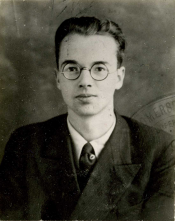
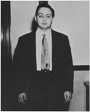
Harry Gold stood before a federal judge and admitted he'd carried atomic bomb secrets in his coat pocket on a Greyhound bus. The Philadelphia chemist had ferried Klaus Fuchs's Manhattan Project diagrams to Soviet handlers for five years, receiving $150 payments and occasional bottles of vodka. His confession unlocked the Rosenberg case—he'd also been their courier. Gold got thirty years. Fuchs served nine in Britain. But the information they passed let Stalin detonate his first atomic bomb in 1949, eighteen months before American intelligence predicted possible. One nervous man on public transportation had erased the nuclear monopoly.
July 20, 1950
76 years ago
Key Figures & Places



What Else Happened on July 20
The fortress fell in July, but Titus's 60,000 legionaries found themselves trapped in Jerusalem's narrow streets. Zealot fighters turned every alley into an amb…
en Roma comienza el pontificado del papa cristiano Hormisdas.
525 km al norte de Roma (península itálica), después de dos años de resistencia, la ciudad de Verona cae bajo el dominio del Imperio bizantino.
Kardam of Bulgaria crushed the Byzantine army at the Battle of Marcellae, forcing Emperor Constantine VI to pay annual tribute to the Bulgarian state. This humi…
Karl der Große erhält in Aachen als Geschenk des Kalifen Harun ar-Raschid den Elefanten Abul Abbas nebst weiteren Gaben.

Khan Krum turned Nikephoros I's skull into a drinking cup lined with silver. The Byzantine emperor had ignored warnings, pushed 80,000 troops deep into Bulgaria…
Talk to History
Have a conversation with historical figures who witnessed this era. Ask questions, explore perspectives, and bring history to life.