Sitting Bull Surrenders: End of Sioux Resistance
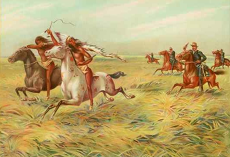
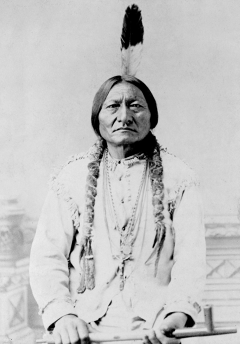
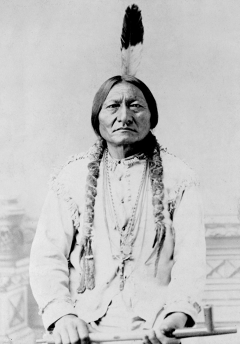
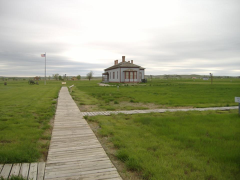
Sitting Bull rode into Fort Buford in the Dakota Territory on July 20, 1881, gaunt and weary after four years of exile in Canada. The Hunkpapa Lakota chief who had orchestrated the greatest Native American military victory in history handed his Winchester rifle to his young son Crow Foot, who presented it to the commanding officer, symbolizing the end of armed Sioux resistance. Five years earlier, Sitting Bull had been the spiritual leader who unified thousands of Lakota, Cheyenne, and Arapaho warriors at the Little Bighorn. His vision of soldiers falling upside down into the camp had galvanized the confederation before they annihilated George Armstrong Custer's 7th Cavalry on June 25, 1876. The stunning victory sealed Sitting Bull's legend but also ensured the full fury of the United States military would pursue his people relentlessly. After Little Bighorn, the army launched a winter campaign of extraordinary brutality, attacking villages, destroying food stores, and killing horses to force the Sioux onto reservations. Sitting Bull led his band of roughly a thousand followers across the border into Canada, settling near Wood Mountain in what is now Saskatchewan. The Canadian government under Queen Victoria tolerated their presence but refused to provide rations or a permanent reservation. By 1881, the buffalo herds that had sustained Plains Indian life for millennia were functionally extinct. Sitting Bull's people were starving. One by one, families slipped back across the border to surrender. When Sitting Bull finally followed with his last 186 followers, he was among the last free Lakota leaders on the continent. The government confined Sitting Bull at Standing Rock Reservation, where he remained a figure of enormous symbolic power. Nine years after his surrender, reservation police shot and killed him during an attempt to arrest him in connection with the Ghost Dance movement, just two weeks before the massacre at Wounded Knee.
July 20, 1881
145 years ago
Key Figures & Places
What Else Happened on July 20
The fortress fell in July, but Titus's 60,000 legionaries found themselves trapped in Jerusalem's narrow streets. Zealot fighters turned every alley into an amb…
Kardam of Bulgaria crushed the Byzantine army at the Battle of Marcellae, forcing Emperor Constantine VI to pay annual tribute to the Bulgarian state. This humi…
The Viking warlord who'd terrorized France for three decades stood at Chartres' gates in July 911, starving out a city that refused to surrender. Rollo had burn…
Richard couldn't speak French when he became Duke of Normandy on July 20, 1189. Didn't matter. The 31-year-old had spent most of his life in Aquitaine, his moth…
Holy Roman Emperor Frederick II and Pope Gregory IX ended their bitter feud by signing the Treaty of San Germano, brokered by the Dominican friar Guala. This ag…
The garrison surrendered after three months of siege, but Edward I refused to accept. He'd spent £40 building a massive trebuchet called "War Wolf" and wanted t…
Talk to History
Have a conversation with historical figures who witnessed this era. Ask questions, explore perspectives, and bring history to life.